Beyond the Concourse: How Starbucks Redesigned Airport Retail for Maximum Velocity
Starbucks' pivot in high-traffic airport hubs reveals a masterclass in eliminating friction and tailoring business strategy to unique consumer environments.
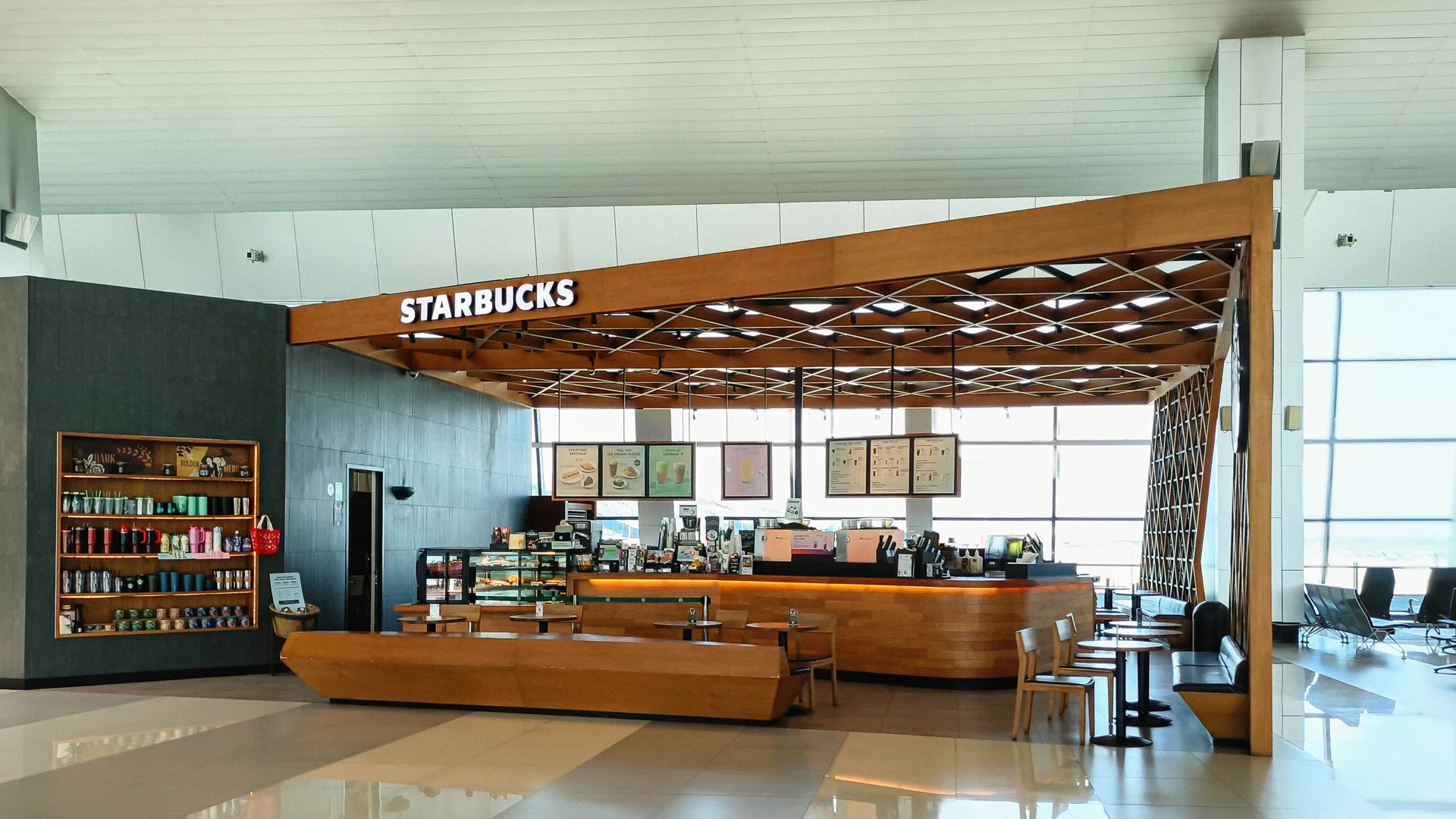
Source image: inc.com
inc.comDecoding the Airport Consumer Mindset
For decades, retail expansion strategies relied on a simple premise: replicate the core brand experience identically across every geography and format. However, consumer behavior data from high-traffic environments like airports indicates a critical flaw in this universal approach. When a customer steps up to a counter at a neighborhood café, they are often looking for a place to linger, work, or enjoy a relaxed morning routine. Conversely, an airport traveler is governed by a singular, unforgiving constraint: time.
Starbucks' recent operational evaluations highlight a profound shift in strategic thinking. Recognizing airports as some of the clearest opportunities for untapped volume, leadership began analyzing the specific psychological and physical barriers facing travelers. A twenty-minute queue is no longer just an operational inconvenience; it is an absolute conversion killer that turns ready-to-buy consumers away. By dissecting the unique ecosystem of transit hubs, the company is proving that adapting to context is essential for maximizing revenue capture.
Targeting and Eliminating Friction Points
The core lesson embedded in Starbucks' transit-hub strategy transcends the coffee industry. Every commercial enterprise suffers from micro-friction points—those specific operational bottlenecks that stall momentum and cause cart abandonment or customer defection. In an airport setting, these friction points are magnified by strict boarding schedules and packed concourses.
To combat this, modern retail strategies must aggressively deploy technology to streamline the transaction path. Starbucks' exploration of self-service ordering kiosks and optimized mobile app scheduling for travelers represents a textbook execution of resource concentration. Instead of merely trying to stimulate more macro-demand, the focus is squarely on frictionless capture. Businesses across sectors—from hospitality to fintech—can apply this blueprint by auditing their customer journey to isolate and destroy the single friction point most likely to kill a sale.
The Multi-Operator Dynamic and Brand Consistency
Another critical dimension of the airport retail model lies behind the counter. Unlike traditional corporate-owned stores where internal management oversees every layer of execution, airport locations are frequently operated through licensed partnerships. This introduces a distinct governance challenge: maintaining absolute brand integrity and service speed when day-to-day operations belong to a third party.
For investors and enterprise executives, managing licensed or franchised networks requires rigorous alignment. Brand equity is fragile, and a subpar experience in a high-visibility transit hub can permanently taint consumer perception. Starbucks has navigated this by integrating standardized technological frameworks and clear operational guidelines that empower licensed partners to deliver rapid, consistent execution without sacrificing quality.
Market Implications and Investor Outlook
From a broader market perspective, this localized operational refinement underscores a larger evolution in retail and quick-service restaurant (QSR) sectors. Investors are increasingly favoring companies that leverage data to hyper-segment their physical footprints. Standardizing a storefront footprint is no longer enough to drive outsized returns; agility and environmental customization are the primary performance drivers.
- Key Strategic Takeaways for Operators:
- Identify and isolate the primary friction points causing customer drop-off in high-velocity environments.
- Design operational workflows around customer constraints rather than forcing a legacy corporate model.
- Leverage smart technology—such as kiosks and predictive scheduling—to optimize throughput.
- Maintain rigorous oversight and support structures across licensed or franchised operational partners.
As retail real estate grows more competitive and consumer patience continues to thin, the companies capable of adapting their business models to micro-environments will capture disproportionate market share. Investors should closely watch how Starbucks rolls out these airport-specific technological enhancements, as this playbook will likely serve as the benchmark for high-density retail optimization moving forward.
Continue reading
Related coverage in Business
nytimes.com
David Ellison Targets CNN Leadership Continuity in Paramount Merger Talks
David Ellison is currently negotiating to retain CNN CEO Mark Thompson without oversight from CBS editor in chief Bari Weiss as parent companies navigate merger plans.
2 min read
bbc.com
Decoding Nike’s Slump: How Strategic Missteps Cost the Sportswear Titan Its Edge
Explore the factors behind Nike's dramatic market decline. Industry analysts dissect the self-inflicted strategic errors that shook the sportswear giant.
3 min read
bbc.com
Treasury Committee Directs HMRC to Investigate Tax Implications of Manchester City Case
The UK Treasury Committee has called on HMRC to closely examine potential tax ramifications arising from the high-profile Manchester City legal verdict.
3 min read
nytimes.com
US Imposes Sanctions on Russian Firm A7 Over Global Shell Company Evasion Schemes
The United States targets Russian financial firm A7 with new sanctions following reports of utilizing global shell companies to bypass existing economic restrictions.
3 min read