Barilla Snaps Up Mac-and-Cheese Disruptor Goodles in Major Culinary M&A Deal
Italian pasta giant Barilla has agreed to acquire fast-growing mac-and-cheese brand Goodles. Co-founder and CEO Jen Zeszut reassures skeptics that product formulas and autonomy will remain untouched.
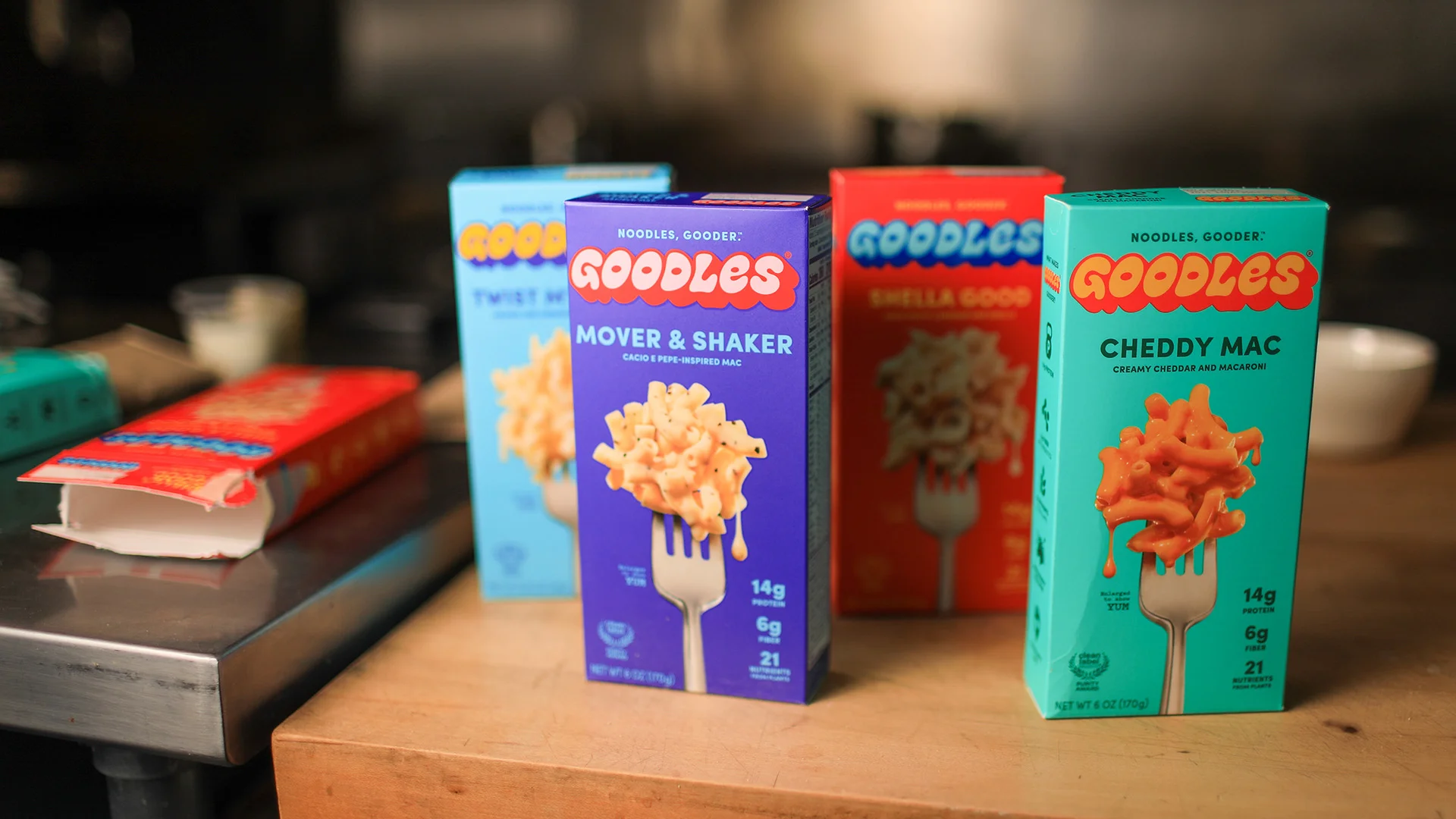
Source image: inc.com
inc.comA Strategic Pairing in Global Pasta and Comfort Food
In a landmark deal for the consumer packaged goods sector, the Italian pasta titan Barilla Group has officially announced an agreement to acquire Goodles, the disruptive premium mac-and-cheese brand. Founded in late 2020, Goodles rapidly carved out a fiercely loyal consumer base and substantial market share by redefining traditional comfort food with added protein, fiber, and clean, plant-derived nutrients. While financial terms of the acquisition remain undisclosed, the transaction brings together a fourth-generation family-owned global legacy brand and one of America's fastest-growing modern food startups.
The partnership originated from mutual admiration within the global food space, culminating in formal acquisition talks initiated earlier this year. For Barilla, the deal represents a calculated move to capture a larger foothold in the burgeoning premium and health-forward shelf-stable segments, challenging legacy category leaders that have experienced steady market share erosion among younger, discerning demographics.
Jen Zeszut Addresses Skeptical Consumers and Stakeholders
Corporate acquisitions of independent disruptors frequently trigger skepticism regarding product integrity, brand dilution, and corporate restructuring. Anticipating immediate pushback from loyal consumers, Goodles Co-Founder and CEO Jen Zeszut moved quickly to address community concerns. Zeszut explicitly assured the public that the brand's core identity, recipes, and whimsical culture will remain completely insulated from corporate overreach.
Key structural commitments outlined by leadership include:
- Operational Independence: Goodles will continue to operate as a standalone brand, retaining full autonomy over marketing, product formulation, and supplier networks.
- Geographic Stability: The company will maintain its corporate headquarters in Santa Cruz, California, preserving its original startup ecosystem.
- Leadership Continuity: Jen Zeszut will remain as Chief Executive Officer, alongside the complete retention of the existing 73-person team and zero reporting changes.
“I know that consumers are going to probably be like, 'Oh no, Goodles is going to get gutted' and worry that the ingredients will change,” Zeszut noted in preliminary discussions regarding the transition. Emphasizing Barilla's collaborative approach, she underscored that the backing of a century-old industry titan will strictly serve as a springboard for global expansion and supply chain resilience rather than a mandate for cost-cutting or recipe modifications.
Market Implications and the Future of Health-Conscious CPG
The acquisition arrives at a critical juncture for the shelf-stable grocery market. Data from the past several years illustrates a definitive consumer shift away from legacy comfort food staples toward functional alternatives boasting clean labels and enhanced nutritional profiles. Goodles successfully capitalized on this trend, securing impressive market penetration while legacy competitors watched their dominant margins slip.
For Barilla, absorbing Goodles provides an immediate bridge into modern, digital-first marketing and trend-responsive product development. Conversely, Goodles gains access to Barilla's unparalleled global distribution network, massive manufacturing infrastructure, and deep-pocketed R&D capabilities. With market analytics indicating that over 90 percent of domestic consumers have yet to try the product, the runway for domestic and international expansion is vast.
What Investors Should Watch
As the transaction moves through customary regulatory approval processes, institutional investors and market analysts should monitor several critical milestones:
- International Rollout Speed: Track how quickly Barilla leverages its international footprint to introduce Goodles into European and Asian markets.
- Margin Maintenance: Observe whether Goodles can scale rapidly while preserving the high-quality, premium ingredients that drove its initial valuation and profitability.
- Competitive Response: Evaluate how legacy mass-market food conglomerates respond to increased consolidation within functional comfort foods.
Ultimately, the Barilla-Goodles pairing signals a maturing era for foodtech and modern CPG startups, proving that scale and independence can coexist when strategic acquirers prioritize brand equity over homogenization.
Continue reading
Related coverage in Business
nytimes.com
David Ellison Targets CNN Leadership Continuity in Paramount Merger Talks
David Ellison is currently negotiating to retain CNN CEO Mark Thompson without oversight from CBS editor in chief Bari Weiss as parent companies navigate merger plans.
2 min read
bbc.com
Decoding Nike’s Slump: How Strategic Missteps Cost the Sportswear Titan Its Edge
Explore the factors behind Nike's dramatic market decline. Industry analysts dissect the self-inflicted strategic errors that shook the sportswear giant.
3 min read
bbc.com
Treasury Committee Directs HMRC to Investigate Tax Implications of Manchester City Case
The UK Treasury Committee has called on HMRC to closely examine potential tax ramifications arising from the high-profile Manchester City legal verdict.
3 min read
nytimes.com
US Imposes Sanctions on Russian Firm A7 Over Global Shell Company Evasion Schemes
The United States targets Russian financial firm A7 with new sanctions following reports of utilizing global shell companies to bypass existing economic restrictions.
3 min read