Aviation Giants Diverge: American Airlines Retires First Class While JetBlue Doubles Down
American Airlines is phasing out traditional first class to expand luxury business suites, while JetBlue introduces a new domestic first-class product.
Source image: inc.com
inc.comThe End of an Era for Traditional Long-Haul First Class
American Airlines has officially signaled the death of traditional international first class, confirming plans to eliminate its Flagship First cabin entirely. Beginning with Boeing 777-300ER flights and extending to transcontinental routes, the carrier is permanently halting the sale of first-class tickets as it reconfigures its flagship aircraft. For years, legacy international first class stood as the ultimate symbol of aviation luxury, but shrinking demand relative to operating costs has forced a strategic pivot among major U.S. network carriers.
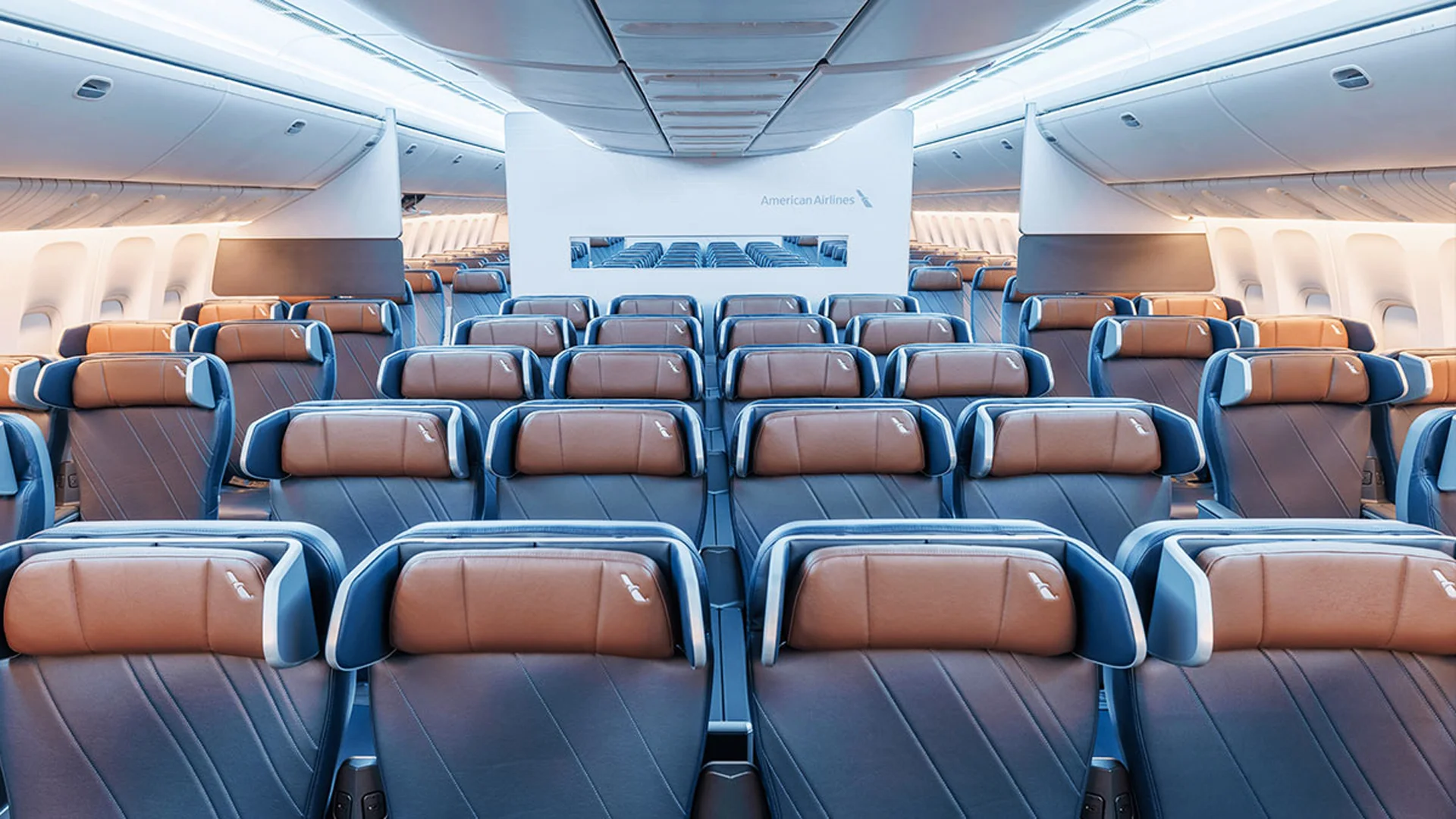
Rather than maintaining underperforming ultra-luxury cabins, American is channeling its resources into a vastly expanded business-class footprint. The redesigned 777-300ER layout increases premium capacity significantly, replacing eight first-class seats with an expanded cabin of 70 next-generation Flagship Suites. Equipped with privacy doors, direct aisle access, personal storage, and innovative chaise-lounge positions, these suites are explicitly marketed by the airline as "the new first".
The Economics Driving the Shift to Business Class
The economic rationale behind American's decision is rooted in hard data rather than shifting aesthetic preferences. Recent financial disclosures indicate that premium passengers account for approximately 30 percent of the airline's total seating capacity yet generate nearly half of its overall ticketed revenue. Furthermore, managed corporate travel has demonstrated consistent double-digit year-over-year growth, proving that corporate executives and high-net-worth individuals are willing to pay top dollar for enhanced comfort—provided that comfort scales efficiently.
By removing traditional first-class cabins, airlines can optimize space allocation, reduce dead weight, and increase ticket volume for products that offer superior profit margins. Competitors such as Delta Air Lines and United Airlines abandoned traditional international first class years ago, favoring high-end business cabins equipped with sliding doors and premium dining. American's transition completes a unified front among major legacy U.S. carriers regarding long-haul premium strategy.
JetBlue’s Counter-Strategy: Making the Opposite Bet
Even as legacy carriers consolidate their luxury offerings into high-density business-class configurations, low-cost disruptor JetBlue is moving in the opposite direction. The carrier announced the introduction of BlueFirst, a newly minted domestic first-class product designed for regional routes. Featuring a two-by-two seating configuration with enhanced recline and substantial extra legroom, JetBlue's move targets travelers seeking traditional domestic elevation without booking transcontinental lie-flat products.
This contrasting approach underscores a broader segmentation of the travel market:
- Legacy carriers are blending first-class amenities into advanced business suites for long-haul routes.
- Low-cost and hybrid carriers are introducing dedicated front-cabin tiers to capture regional business and leisure travelers willing to pay incremental upgrades.
- Premium economy continues to absorb budget-conscious leisure travelers who desire extra space without paying business-class tariffs.
Market Implications and What Investors Should Watch
For investors and aviation analysts, these opposing strategies offer a fascinating window into consumer behavior post-pandemic. The blurring lines between first and business class reflect a broader corporate focus on maximizing yield per square foot. As hybrid work models continue to blend business travel with leisure trips—often referred to as 'bleisure' travel—the demand for premium domestic and international seating remains resilient.
Investors monitoring the airline sector should closely track several key performance indicators moving forward:
- Yield per Available Seat Mile (RASM) on newly reconfigured long-haul fleets to verify if expanded business cabins offset lost first-class revenue.
- Corporate contract retention rates as legacy carriers phase out top-tier physical cabins in favor of enhanced lounge access and proprietary dining options.
- Adoption rates for domestic premium products like JetBlue's BlueFirst against established legacy dominance.
Ultimately, while the branding nomenclature may vary wildly between carriers, the underlying directive remains identical: capturing the high-yielding passenger is the single most critical factor for long-term airline profitability in the modern economic landscape.
Continue reading
Related coverage in Business
nytimes.com
David Ellison Targets CNN Leadership Continuity in Paramount Merger Talks
David Ellison is currently negotiating to retain CNN CEO Mark Thompson without oversight from CBS editor in chief Bari Weiss as parent companies navigate merger plans.
2 min read
bbc.com
Decoding Nike’s Slump: How Strategic Missteps Cost the Sportswear Titan Its Edge
Explore the factors behind Nike's dramatic market decline. Industry analysts dissect the self-inflicted strategic errors that shook the sportswear giant.
3 min read
bbc.com
Treasury Committee Directs HMRC to Investigate Tax Implications of Manchester City Case
The UK Treasury Committee has called on HMRC to closely examine potential tax ramifications arising from the high-profile Manchester City legal verdict.
3 min read
nytimes.com
US Imposes Sanctions on Russian Firm A7 Over Global Shell Company Evasion Schemes
The United States targets Russian financial firm A7 with new sanctions following reports of utilizing global shell companies to bypass existing economic restrictions.
3 min read