Autonomous Security: How Waymo's Latest Intervention Spotlights Robotaxi Surveillance and Liability
A Waymo autonomous vehicle in San Francisco autonomously intercepted a potential threat, pulling over to alert law enforcement after detecting an illegal ghost gun.
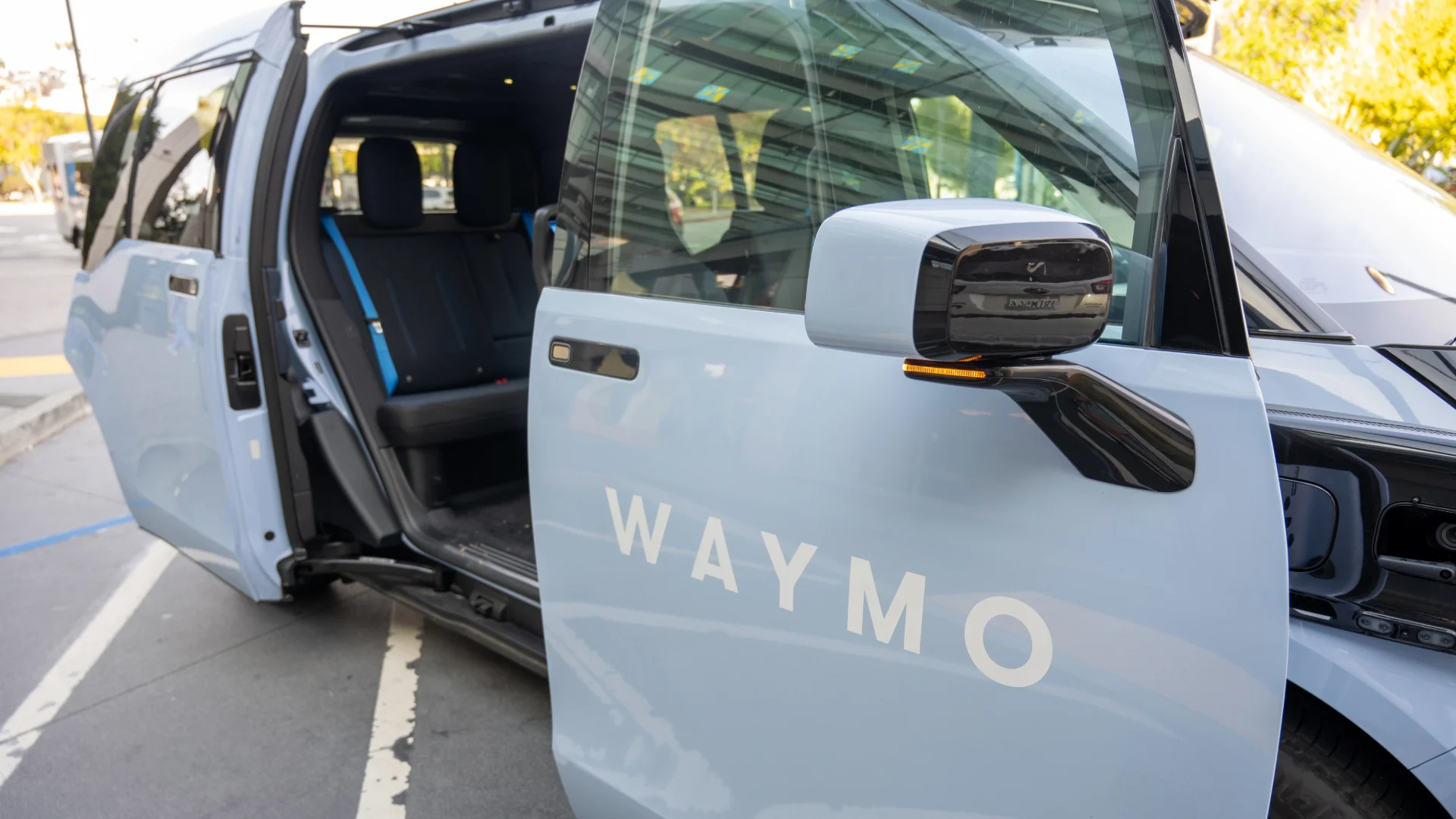
Source image: inc.com
inc.comThe Incident That Shook Autonomous Fleet Operations
In the early hours of September 3, a routine autonomous ride across San Francisco’s Richmond District transformed into a high-stakes security intervention. A Waymo robotaxi, operating without a human safety driver, independently executed a maneuver to pull itself over after its internal monitoring systems flagged a severe violation of the company’s terms of service: the presence of a firearm. Promptly alerting local authorities, the vehicle remained secured until San Francisco Police Department officers executed a high-risk vehicle stop.
Upon searching the cabin, law enforcement officials detained two juvenile passengers—a male and a female—and recovered a loaded, untraceable AR-style assault rifle commonly referred to as a "ghost gun," alongside suspected marijuana and mace spray. The swift resolution of the event averted potential danger, but it has simultaneously thrust the broader autonomous vehicle (AV) industry into an intense debate concerning passenger privacy, data monitoring, and corporate responsibility.
Corporate Surveillance vs. Passenger Privacy
The incident forces executives, legal experts, and privacy advocates to confront the uncomfortable reality of what occurs inside commercial robotaxis. Unlike traditional rideshare services driven by humans who may or may not notice illegal activity, autonomous fleets rely on an array of advanced sensors, interior cameras, and machine learning models to maintain order.
While Waymo has maintained that these measures are essential for preventing vandalism, ensuring cleanliness, and enforcing safety rules, critics point out that the level of active surveillance inside a driverless cabin mirrors corporate monitoring systems previously unseen in public transit. Key concerns include:
- Continuous Cabin Monitoring: The speed at which the system detected the weapon implies a high level of automated or human-in-the-loop review of real-time interior telemetry.
- Data Retention and Scope: Questions remain regarding how long passenger data, audio, and video feeds are stored and under what exact legal frameworks they are shared with municipal police departments.
- Expanding Scope of Enforcement: Incidents where robotaxis have flagged minor infractions—such as consuming alcohol or firing toy gel blasters—demonstrate that autonomous cars are increasingly acting as de facto extensions of law enforcement.
Market Implications and Investor Outlook
For investors backing the autonomous driving sector, this event carries dual implications. On one hand, the capability of a vehicle to autonomously neutralize a security threat enhances the safety profile of robotaxis, potentially easing regulatory hurdles and consumer apprehension regarding riding in driverless cars. Fleet operators aiming to scale across major metropolitan areas must prove that their cabins are safe from illicit and dangerous activities.
Conversely, aggressive in-cabin monitoring introduces substantial liability and legal exposure. If an autonomous system fails to detect a threat, the operating company could face severe civil litigation. If the system is too intrusive, it risks alienating privacy-conscious consumers. Investors should closely watch how regulatory bodies in California and other expanding markets respond to these privacy-versus-security trade-offs.
What Investors and Executives Should Watch Next
As commercial autonomous fleets expand into new urban markets nationwide, several critical factors will dictate the trajectory of in-cabin governance and safety tech:
- Regulatory Guidelines: Anticipate stricter state and federal guidelines defining the legal boundaries of what autonomous vehicle operators can monitor and report.
- Consumer Sentiment Shifts: Monitor whether heightened security features drive user adoption or trigger consumer backlash concerning surveillance fatigue.
- Technology Upgrades: Look for proprietary advancements in edge-AI hardware that allow real-time threat detection without compromising baseline passenger data privacy standards.
Ultimately, Waymo’s proactive intervention proves that the era of passive public transportation is over. As artificial intelligence takes the wheel, it is also taking on the responsibilities of a security guard, setting a complex precedent for the future of urban mobility.
Continue reading
Related coverage in Business
nytimes.com
David Ellison Targets CNN Leadership Continuity in Paramount Merger Talks
David Ellison is currently negotiating to retain CNN CEO Mark Thompson without oversight from CBS editor in chief Bari Weiss as parent companies navigate merger plans.
2 min read
bbc.com
Decoding Nike’s Slump: How Strategic Missteps Cost the Sportswear Titan Its Edge
Explore the factors behind Nike's dramatic market decline. Industry analysts dissect the self-inflicted strategic errors that shook the sportswear giant.
3 min read
bbc.com
Treasury Committee Directs HMRC to Investigate Tax Implications of Manchester City Case
The UK Treasury Committee has called on HMRC to closely examine potential tax ramifications arising from the high-profile Manchester City legal verdict.
3 min read
nytimes.com
US Imposes Sanctions on Russian Firm A7 Over Global Shell Company Evasion Schemes
The United States targets Russian financial firm A7 with new sanctions following reports of utilizing global shell companies to bypass existing economic restrictions.
3 min read