Automattic Board Ousts Co-Founder Matt Mullenweg in Stunning Coup, Appoints CFO Interim CEO
Automattic's board has forced CEO Matt Mullenweg onto a paid leave of absence, prompting a bitter public dispute as CFO Mark Davies steps in as interim chief executive.
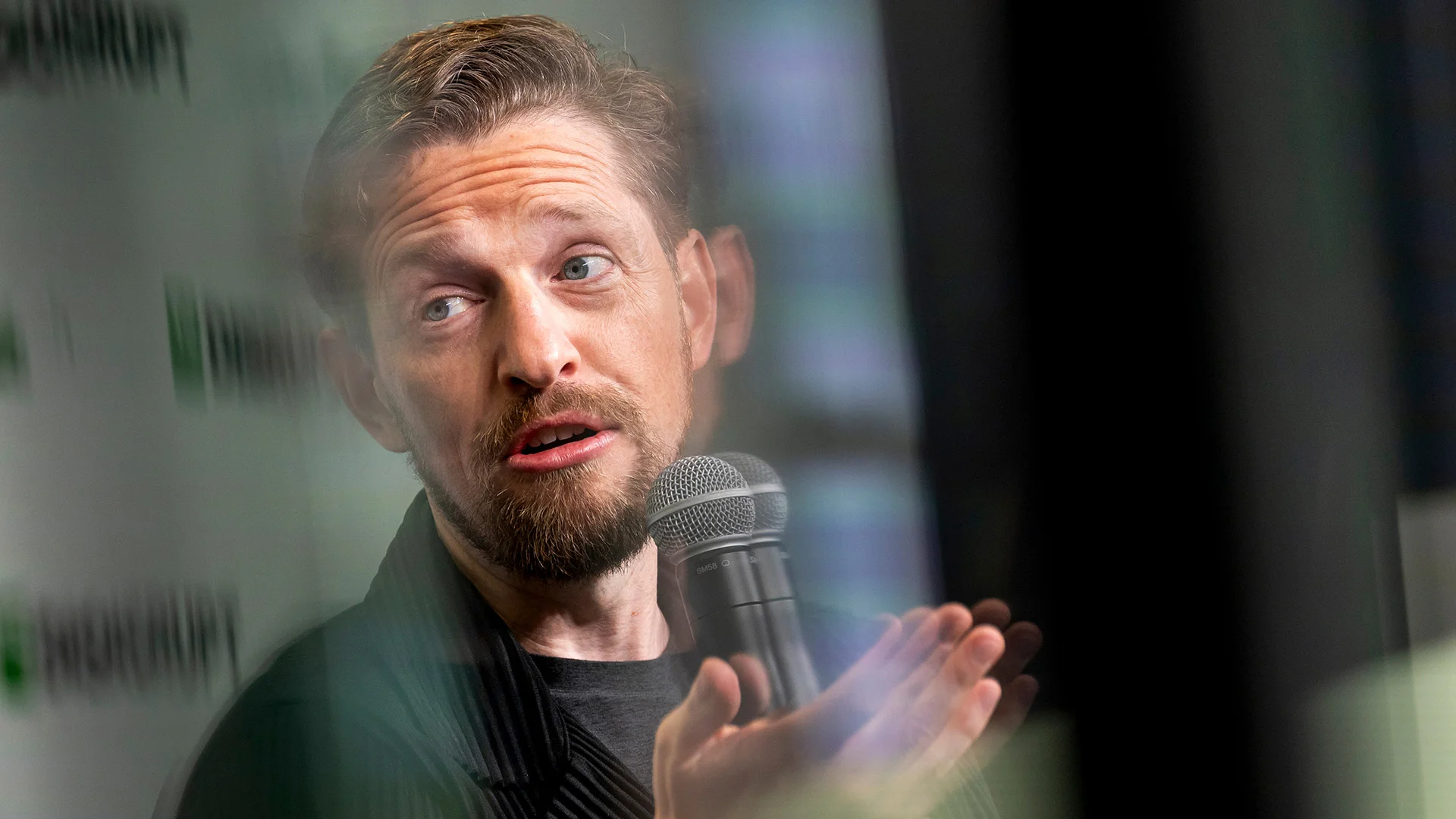
Source image: inc.com
inc.comA Boardroom Coup Shakes the Foundation of Automattic
In a dramatic turn of events that has sent shockwaves through the technology sector, Automattic’s board of directors has placed co-founder and chief executive Matt Mullenweg on an involuntary paid leave of absence. The high-stakes intervention effectively strips the long-standing tech leader of operational control, with Chief Financial Officer Mark Davies stepping in immediately to assume the role of interim CEO.
The move represents one of the most volatile leadership crises at a major web infrastructure company in recent memory. Mullenweg, who has steered the commercial arm behind WordPress and Tumblr for over two decades, wasted no time voicing his outrage. In an open, company-wide Slack announcement visible to all employees, Mullenweg alleged that Davies had 'conspired' behind his back alongside board members Ann Dunwoody, Toni Schneider, and Sue Decker to orchestrate his removal.
An Accelerated Ouster and Legal Pushback
According to internal communications brought to light following the vote, tensions reached a boiling point when Mullenweg was presented with the board resolution a mere 50 minutes before the official meeting commenced. The founder stated that his repeated requests for a brief postponement to secure independent legal counsel were flatly denied by the board.
Despite holding a seat on the board of directors, Mullenweg was systematically outvoted as the panel pushed through the resolution to sideline him. While the board has maintained a tight-lipped stance regarding the precise catalysts for the decision, the maneuver highlights an irremediable fracture in governance at the upper echelons of the tech titan.
Mounting Pressures and Ecosystem Controversies
Market analysts note that Mullenweg’s removal follows a prolonged period of intense public controversy and legal turbulence. Automattic has been locked in a high-profile, highly contentious legal feud with hosting provider WP Engine. The dispute—centered around open-source brand utilization, ecosystem contributions, and subsequent retaliatory measures—sparked severe internal polarization and public scrutiny.
Furthermore, internal dissent has bubbled over in recent months, characterized by employee departures, cultural friction following high-profile acquisitions like Tumblr, and contentious exit package offers extended to internal critics. E-discovery challenges and procedural motions within ongoing litigation have added layers of corporate risk, leaving institutional stakeholders increasingly anxious over reputational damage.
The Dual Structure: WordPress.org Remains Unfazed
A vital nuance in the wake of the shakeup is the strict structural separation between Automattic’s commercial entities and the open-source governance of WordPress. Mary Hubbard, Executive Director of WordPress.org, quickly issued a reassuring statement to the broader open-source community. Hubbard clarified that Mullenweg’s leave from the commercial enterprise does not impact his leadership role within the standalone WordPress project, ensuring that core development teams and project priorities will proceed uninterrupted.
Market Implications and What Investors Should Watch
For investors, venture partners, and enterprise clients utilizing Automattic's suite of commercial tools—including WordPress.com, WooCommerce, and VIP hosting services—this leadership transition introduces both immediate uncertainty and potential strategic relief. Key indicators to monitor include:
- Executive Stability: Whether Mark Davies' tenure as interim CEO can stabilize internal morale and mend fractured relationships within the workforce.
- Litigation Trajectory: Potential shifts in legal strategy regarding the ongoing battles with WP Engine and mitigation of corporate discovery risks.
- Founder Relations: Whether Mullenweg will accept a permanent advisory distance or launch a counter-offensive to reclaim operational control from the board.
- Enterprise Client Sentiment: How major corporate partners respond to the governance overhaul and whether commercial commitments remain secure.
As Automattic enters uncharted territory, the coming weeks will determine whether this decisive board intervention restores corporate governance hygiene or deepens internal fracture lines at one of the internet's foundational infrastructure giants.
Continue reading
Related coverage in Business
nytimes.com
David Ellison Targets CNN Leadership Continuity in Paramount Merger Talks
David Ellison is currently negotiating to retain CNN CEO Mark Thompson without oversight from CBS editor in chief Bari Weiss as parent companies navigate merger plans.
2 min read
bbc.com
Decoding Nike’s Slump: How Strategic Missteps Cost the Sportswear Titan Its Edge
Explore the factors behind Nike's dramatic market decline. Industry analysts dissect the self-inflicted strategic errors that shook the sportswear giant.
3 min read
bbc.com
Treasury Committee Directs HMRC to Investigate Tax Implications of Manchester City Case
The UK Treasury Committee has called on HMRC to closely examine potential tax ramifications arising from the high-profile Manchester City legal verdict.
3 min read
nytimes.com
US Imposes Sanctions on Russian Firm A7 Over Global Shell Company Evasion Schemes
The United States targets Russian financial firm A7 with new sanctions following reports of utilizing global shell companies to bypass existing economic restrictions.
3 min read