ATF Suffers Major Cyber Breach Exposing Active Investigation Targets in Ransomware Attack
The U.S. Bureau of Alcohol, Tobacco, Firearms and Explosives faces a major federal cyber incident after hackers infiltrate a system containing active investigation data.
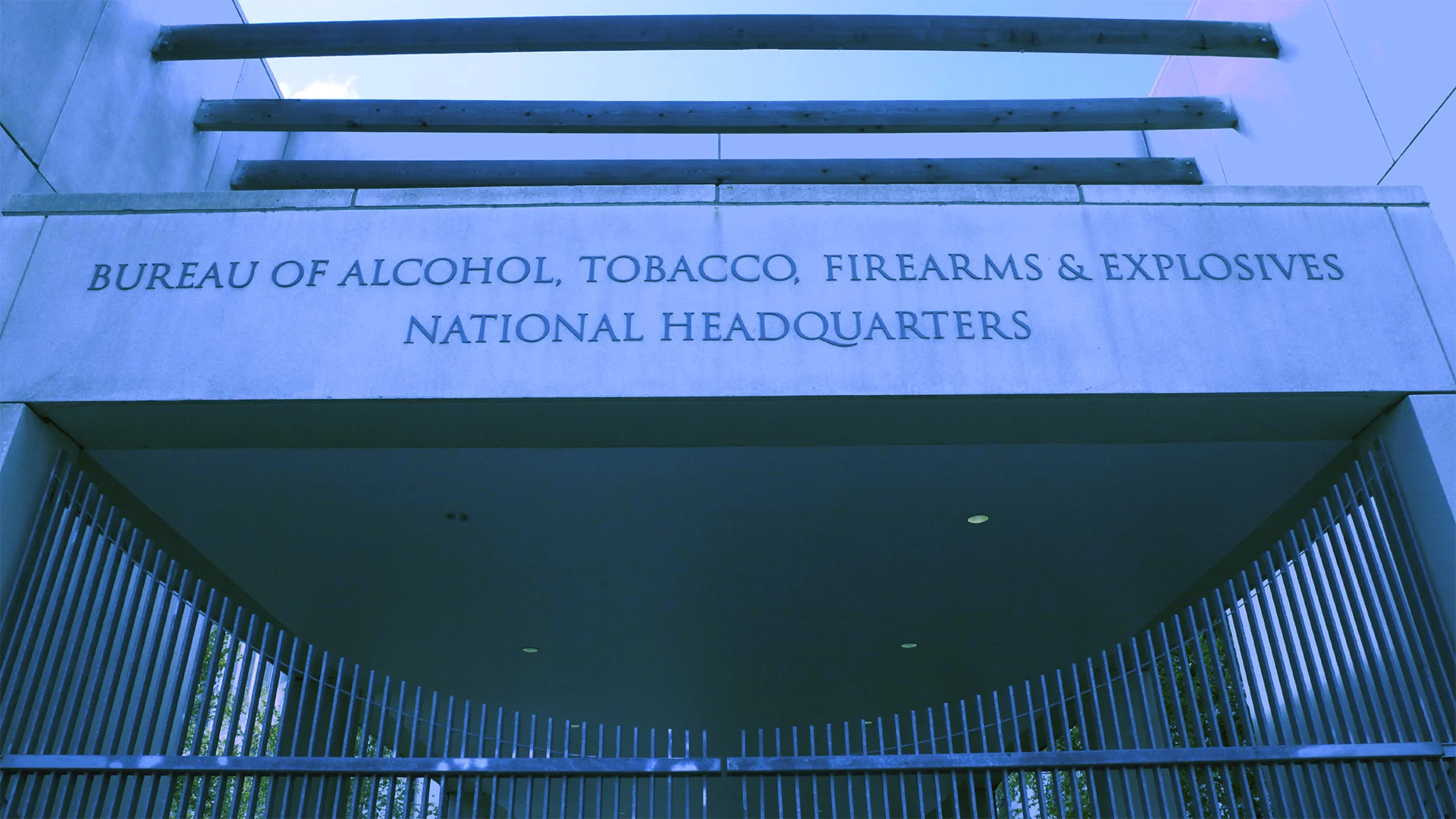
Source image: inc.com
inc.comFederal Law Enforcement Confronts High-Stakes Security Failure
In a development highlighting the persistent vulnerabilities plaguing federal defense and regulatory infrastructures, the U.S. Bureau of Alcohol, Tobacco, Firearms and Explosives (ATF) has confirmed a serious cybersecurity breach. The incident, which has been officially designated as a “major incident” under guidelines established by the Cybersecurity and Infrastructure Security Agency (CISA), involves the unauthorized exposure of sensitive data tied to ongoing federal investigations.
Senior Department of Justice (DOJ) officials and cyber forensics teams are aggressively investigating the intrusion. According to preliminary disclosures, the breach specifically targeted a standalone computer repository utilized to house files on targets of ATF law enforcement actions. The gravity of the event has triggered mandatory high-level congressional notifications and intensified scrutiny over the security postures of critical government bodies.
Anatomy of the Breach and Isolation Protocols
As details emerge from federal investigators, agency spokespersons have sought to reassure the public and industry stakeholders regarding the containment of the threat. Key operational facets of the incident include:
- Isolated Architecture: The compromised asset operated as a standalone system completely detached from the core ATF enterprise network.
- Unaffected Systems: Critical infrastructure—including case management databases, forensic laboratory systems, and the widely used eForms processing portal—remained untouched.
- Rapid Response: Agency engineers forcefully terminated external connections to the affected environment immediately upon discovering the malicious activity.
- Attribution Focus: Prominent cybercrime tracking intelligence has linked the methodology and digital footprint to the aggressive ransomware syndicate known as Qilin.
Despite the separation of the network, the exposure of data concerning active investigation targets represents a severe operational hurdle. The ATF routinely handles complex cases involving illicit firearms trafficking, explosives regulation, and violent criminal networks, meaning any compromise of target dossiers carries substantial security implications for field personnel and informants.
Broader Market Implications and Federal Cyber Defense
This incident is far from an isolated event within the federal apparatus. In recent years, major law enforcement and judicial sectors—including the U.S. Marshals Service and the FBI—have fallen victim to high-profile ransomware incursions and sophisticated state-sponsored intrusions. These recurring breaches highlight systemic challenges in securing legacy infrastructure against increasingly agile cyber extortion rings.
For enterprise executives, defense contractors, and technology investors, the ATF breach reinforces the urgent necessity of zero-trust architecture. Ransomware syndicates like Qilin have scaled their operations globally, targeting everything from healthcare providers to critical state infrastructure. The financial and reputational fallout of such incidents emphasizes that even air-gapped or standalone units remain prime targets for sophisticated threat actors utilizing advanced credential theft and lateral movement strategies.
Strategic Outlook: What Investors and Executives Should Monitor
As the Department of Justice continues its joint forensic evaluation alongside intelligence partners, market participants and corporate leadership must observe several critical indicators:
Escalating Compliance Mandates: Expect tighter cybersecurity compliance requirements and oversight from federal regulators across both public and private sectors handling sensitive intelligence.
Ransomware Monetization Trends: Track how federal agencies respond to extortion threats without yielding to ransom demands, setting a firm precedent for corporate cyber defense policies.
Cybersecurity Spending Surges: Anticipate increased enterprise and government spending directed toward endpoint isolation, continuous threat intelligence monitoring, and advanced data-loss prevention frameworks.
Ultimately, the ATF cyber incident serves as a stark reminder that digital resilience is a moving target. As threat actors deploy more aggressive tactics, executive leadership must treat cybersecurity not merely as an IT function, but as a core pillar of institutional enterprise risk management.
Continue reading
Related coverage in Business
nytimes.com
David Ellison Targets CNN Leadership Continuity in Paramount Merger Talks
David Ellison is currently negotiating to retain CNN CEO Mark Thompson without oversight from CBS editor in chief Bari Weiss as parent companies navigate merger plans.
2 min read
bbc.com
Decoding Nike’s Slump: How Strategic Missteps Cost the Sportswear Titan Its Edge
Explore the factors behind Nike's dramatic market decline. Industry analysts dissect the self-inflicted strategic errors that shook the sportswear giant.
3 min read
bbc.com
Treasury Committee Directs HMRC to Investigate Tax Implications of Manchester City Case
The UK Treasury Committee has called on HMRC to closely examine potential tax ramifications arising from the high-profile Manchester City legal verdict.
3 min read
nytimes.com
US Imposes Sanctions on Russian Firm A7 Over Global Shell Company Evasion Schemes
The United States targets Russian financial firm A7 with new sanctions following reports of utilizing global shell companies to bypass existing economic restrictions.
3 min read