Apple's High-Stakes Foldable Debut: Why the iPhone Duo Is a Calculated Risk for Tech's Titans
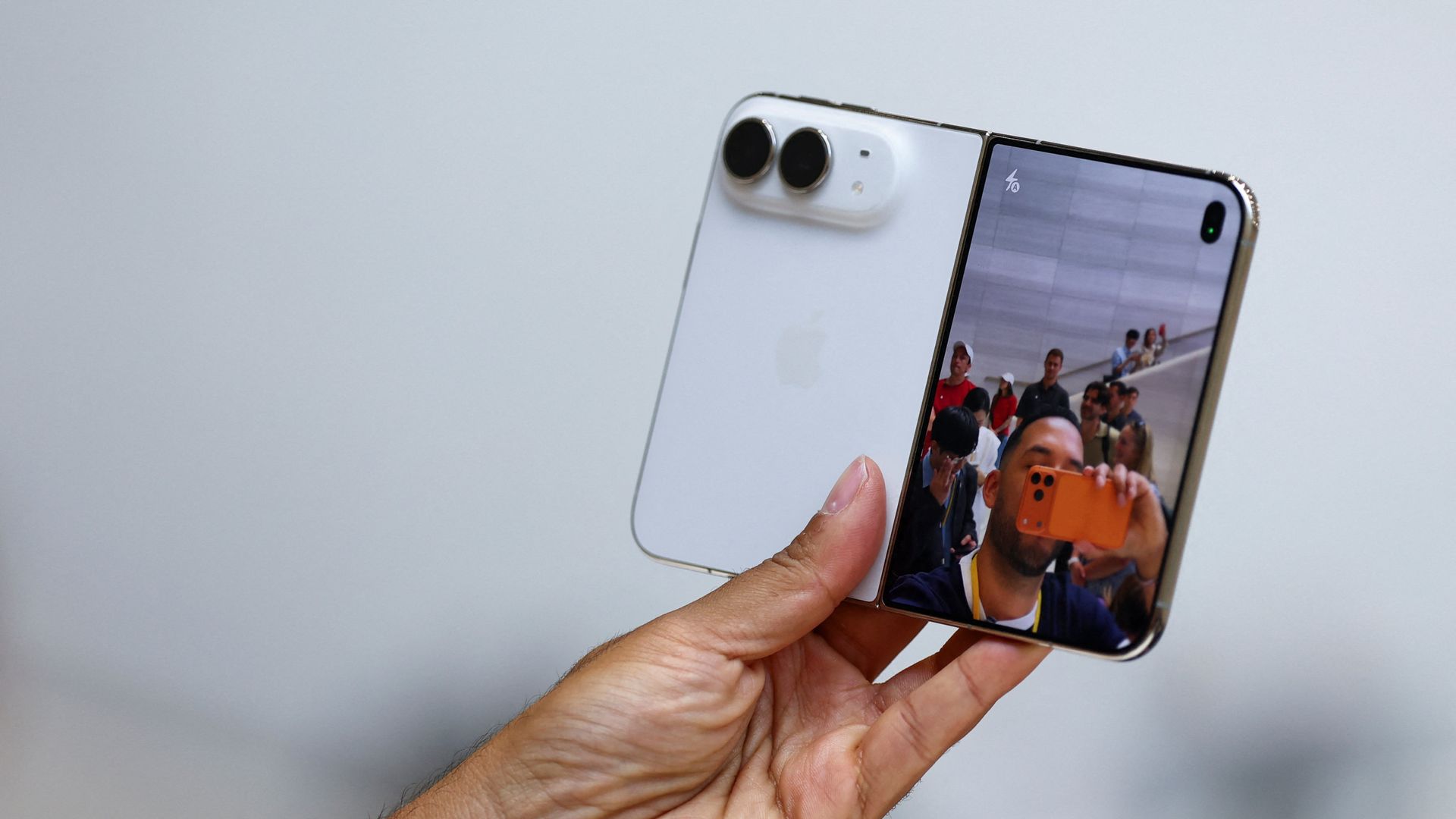
Apple has officially entered the foldable market with the debut of the iPhone Duo, marking its most ambitious hardware gamble in years against fierce competition.
Source image: skynews.com
skynews.comA Watershed Moment for the Smartphone Industry
Apple has officially rewritten its product roadmap by unveiling its maiden foldable smartphone, the iPhone Duo. Positioned as the centerpiece of its latest hardware lineup, the device represents a decisive shift for a company historically known for favoring refined iteration over bleeding-edge format experiments. Industry experts have widely characterized the launch as Apple’s most substantial hardware gamble in years, entering a specialized category previously pioneered and dominated by rivals like Samsung and Huawei.
With a starting price tag of $1,999, the iPhone Duo sits firmly at the apex of the luxury mobile market. By stepping into the foldable arena, Apple is not merely introducing a new SKU; it is attempting to validate and mainstream a product category that has experienced sluggish global momentum and fluctuating consumer enthusiasm over recent years.
Engineering Marvels and First-Generation Compromises
The development cycle of the iPhone Duo has been defined by extreme engineering challenges, primarily revolving around hinge durability and display longevity. Apple’s engineering teams have heavily prioritized structural integrity, integrating advanced titanium materials and a specialized hinge mechanism engineered to virtually eliminate the disruptive central screen crease that has historically plagued competing foldable devices.
However, early industry assessments highlight several compromises inherent to first-generation hardware releases:
- Biometric Shift: In a departure from standard flagship expectations, the device utilizes side-mounted Touch ID rather than the company's proprietary Face ID technology.
- Battery and Specs Trade-Offs: Despite its massive physical footprint and tablet-sized inner display, the device navigates complex internal space constraints, balancing dual batteries to optimize daily endurance.
- Premium Pricing Barrier: At nearly $2,000 to start—and scaling significantly higher for expanded storage tiers—the device asks consumers to pay a steep premium over traditional flagship alternatives.
Market Implications and Competitive Dynamics
The arrival of Apple in the foldable segment carries profound market implications. Global foldable shipments have faced headwinds, contracting across various international territories as macroeconomic pressures weigh on consumer electronics spending. Apple's entry instantly alters this landscape, leveraging its unmatched developer ecosystem, aggressive financing structures—such as zero-interest monthly installment plans—and massive retail footprint to stimulate consumer interest.
Furthermore, the battleground in key regions like China, where domestic giants hold significant sway over foldable preferences, will experience immediate disruption. Competitors will be forced to accelerate their innovation cycles to counter Apple’s ecosystem lock-in and high-end marketing prowess.
What Investors and Executives Should Watch
For institutional investors, venture capitalists, and tech sector executives, the coming quarters will provide critical data points regarding the long-term viability of the foldable market:
- Adoption Rates vs. Cannibalization: Monitor whether initial pre-order demand translates into sustained mainstream uptake or if sales primarily cannibalize Apple’s existing Pro Max customer base.
- Supply Chain Yields: Track component manufacturing efficiency, particularly regarding ultra-thin glass and hinge assembly yields, which will dictate gross margins.
- Competitor Response: Observe how entrenched Android manufacturers adjust pricing and hardware roadmaps in response to Apple's market entry.
Ultimately, the iPhone Duo is much more than an expensive new gadget—it is a bellwether for the next era of mobile form factors and consumer tech monetization.
Continue reading
Related coverage in Business
nytimes.com
David Ellison Targets CNN Leadership Continuity in Paramount Merger Talks
David Ellison is currently negotiating to retain CNN CEO Mark Thompson without oversight from CBS editor in chief Bari Weiss as parent companies navigate merger plans.
2 min read
bbc.com
Decoding Nike’s Slump: How Strategic Missteps Cost the Sportswear Titan Its Edge
Explore the factors behind Nike's dramatic market decline. Industry analysts dissect the self-inflicted strategic errors that shook the sportswear giant.
3 min read
bbc.com
Treasury Committee Directs HMRC to Investigate Tax Implications of Manchester City Case
The UK Treasury Committee has called on HMRC to closely examine potential tax ramifications arising from the high-profile Manchester City legal verdict.
3 min read
nytimes.com
US Imposes Sanctions on Russian Firm A7 Over Global Shell Company Evasion Schemes
The United States targets Russian financial firm A7 with new sanctions following reports of utilizing global shell companies to bypass existing economic restrictions.
3 min read