Apple Store Architect Ron Johnson Skeptical of Silicon Valley's AI Shopping Bet
Ron Johnson, the architect behind Apple's retail empire, argues that Silicon Valley's heavy bet on AI-driven shopping misses the fundamental human desire for physical connection.
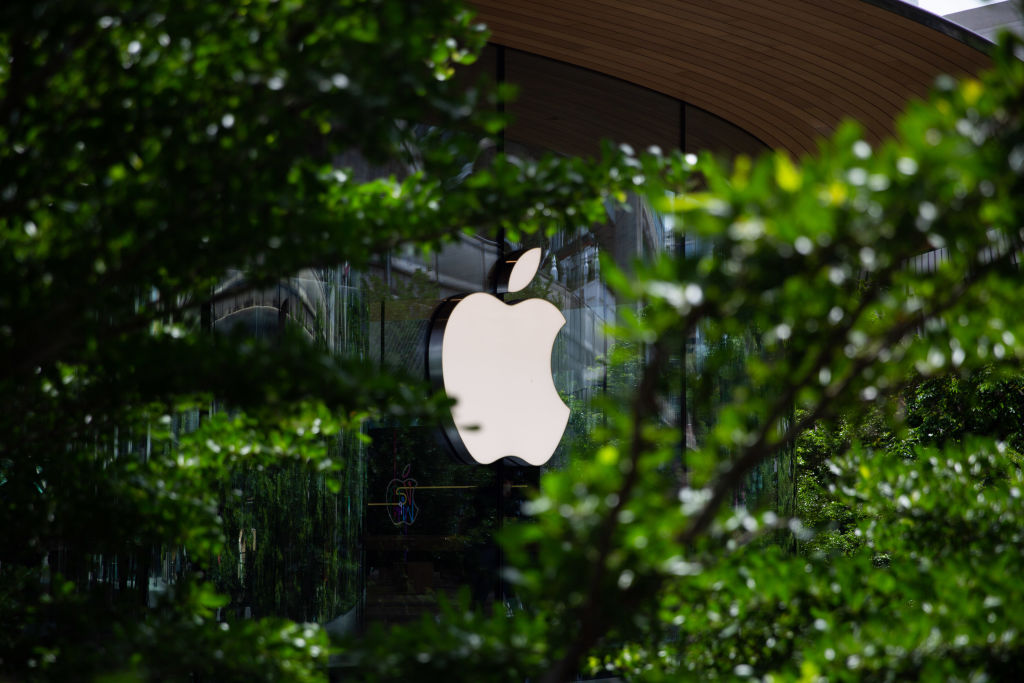
Source image: techcrunch.com
techcrunch.comThe Human Element vs. Algorithm-Driven Retail
When Ron Johnson joined Apple in 2000 to help build its physical retail network, prevailing market wisdom dictated that the emerging internet would render brick-and-mortar storefronts obsolete. Defying convention, Johnson and Steve Jobs focused on creating environments where consumers could touch, test, and build a tangible relationship with hardware. Decades later, Silicon Valley faces a parallel ideological split, heavily betting that generative artificial intelligence and autonomous shopping agents will redefine how consumers browse, evaluate, and purchase goods.
Johnson remains fundamentally unpersuaded by this tech-utopian vision. Drawing from his extensive retail background—which includes scaling Apple Stores and later leading JCPenney—he argues that while AI can efficiently prep a consumer with data, it cannot replicate the tactile reassurance and human-centric guidance required for major purchases. According to Johnson, people patronize physical spaces because they seek human connection, expert assistance, and experiential validation—elements that code and language models simply cannot substitute.
Why This Debate Matters for Executives and Investors
For enterprise leaders, retail executives, and venture capitalists allocating capital into retail-tech startups, Johnson's commentary serves as a vital reality check. The current market narrative assumes that consumer friction is purely computational—that if an algorithm can predict a preference or automate a checkout faster, adoption will naturally follow. However, high-end consumer electronics, apparel, and lifestyle goods often rely heavily on emotional resonance and physical trust.
Key operational friction points include:
- The Trust Deficit: Autonomous agents can recommend products based on parameters, but they lack the credibility of physical human endorsement.
- Experiential Limitations: Complex items like computers, audio gear, and luxury goods demand physical interaction before capital deployment.
- Over-Automation Risks: Aggressive algorithmic streamlining can strip away the serendipity and brand joy that physical stores uniquely cultivate.
Market Implications and Capital Allocation
The divergence between Silicon Valley's software-first ambitions and traditional retail philosophy has direct consequences for corporate spending. While mega-cap technology firms allocate record-breaking capital expenditures toward infrastructure and automated agent development, consumer-facing brands must carefully weigh whether their customers actually want automated isolation.
Investors should monitor how omnichannel strategies evolve. Companies that successfully bridge the gap—using AI strictly behind the scenes to optimize supply chains, inventory, and pre-shopping research—are likely to outperform those attempting to replace the human checkout and advisory experience entirely. Blindly substituting customer service representatives with conversational bots risks alienating high-value demographics who value tactile, personalized engagement.
What to Watch Next
As the retail sector absorbs the influx of generative AI tools, stakeholders should track specific leading indicators to measure true consumer adoption versus hype:
- Conversion Rates on AI-Recommended Baskets: Are automated shopping assistants driving repeat purchases, or are they mere novelties?
- Physical Footprint Shifts: Monitor whether leading direct-to-consumer digital brands continue opening experiential flagship stores.
- Customer Retention Metrics: Evaluate if human-led service models retain long-term brand loyalty more effectively than automated alternatives.
For ongoing updates on retail innovation, market analysis, and executive strategy, refer to the original reporting at TechCrunch.
Continue reading
Related coverage in Artificial Intelligence
Artificial Intelligence
Qedus and the Growing Importance of Intelligence-Led Business Strategy
Qedus combines business consulting, financial analysis, and data intelligence to address the growing complexity of strategic decision-making. Through its advisory work and exploration of AI-supported intelligence, the firm focuses on connecting financial performance, market conditions, and emerging opportunities to practical business priorities.
5 min read
techcrunch.com
How Elon Musk's AI Chatbot Grok Reportedly Shaped Trump's Decision on Venezuela
Newly surfaced reports reveal that President Trump consulted Elon Musk's AI chatbot Grok regarding potential geopolitical blowback before capturing Venezuela's president.
3 min read
techcrunch.com
OpenAI Launches Virtual Try-On and Shopping Features in ChatGPT
OpenAI has rolled out new shopping capabilities for ChatGPT, enabling users to virtually try on apparel and accessories with personal photos and save items to a Favorites library.
2 min read
techcrunch.com
Google Estimates SpaceX Starship Needs 1,800 Launches for Space Data Centers
Google has launched its first advanced chip into orbit, projecting that SpaceX Starship must execute 1,800 launches to make space data centers viable.
2 min read