Apple Store Architect Ron Johnson Skeptical of Silicon Valley's AI Shopping Bet
Former Apple retail architect Ron Johnson questions Silicon Valley's heavy reliance on AI-driven shopping, emphasizing that human connection remains Apple's true secret sauce.
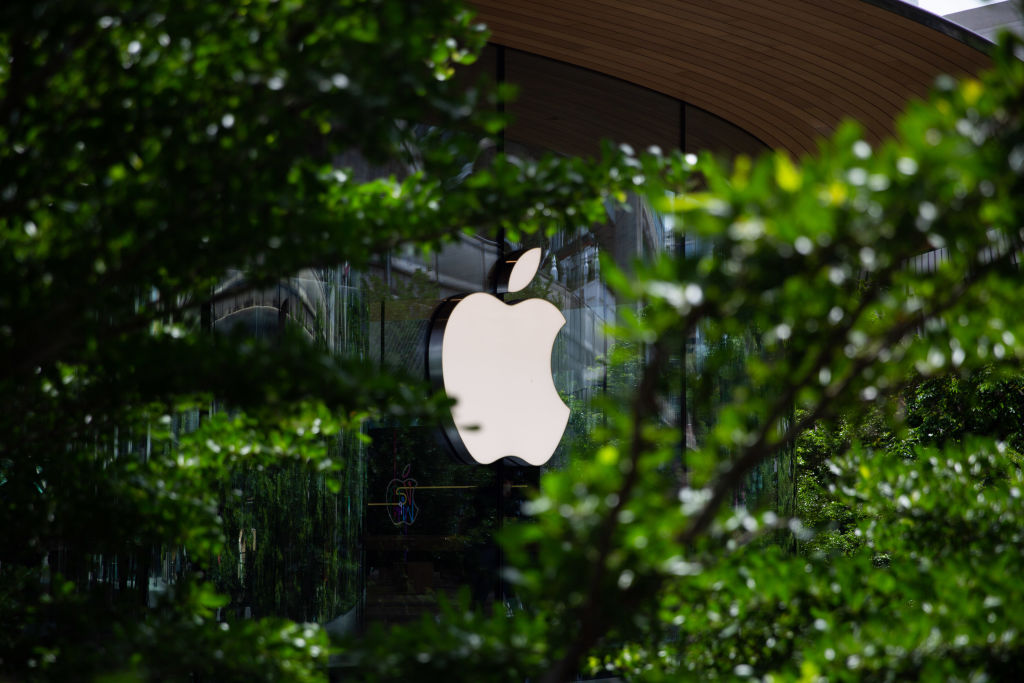
Source image: techcrunch.com
techcrunch.comIntroduction to the Retail Debate
As Silicon Valley technology giants and emerging startups pour billions of dollars into artificial intelligence-driven retail experiences, dissenting voices from retail veterans are beginning to surface. Ron Johnson, the executive widely credited with designing and scaling Apple's groundbreaking retail store concept, has publicly challenged the industry-wide fascination with AI shopping. According to Johnson, the prevailing tech sector assumption—that automated, algorithm-driven tools can fully optimize and replace the consumer buying journey—misses the fundamental element that built some of the world's most successful brand ecosystems.
The Core Argument: People Over Algorithms
At the heart of Johnson's critique is the belief that Apple's legendary retail success was never merely about sleek architectural design or efficient product displays. Instead, the true secret sauce has always been the caliber, training, and human connection provided by its employees. While AI shopping models focus on predictive analytics, automated recommendations, and frictionless digital checkouts, Johnson suggests that true brand loyalty and high-value consumer engagement stem from genuine human interaction. Executives pushing for total automation risk stripping away the emotional resonance that turns casual shoppers into dedicated brand advocates.
Market Implications for Retail and Tech Executives
The divergence in philosophy between AI-first tech developers and traditional retail strategists carries significant market implications for investors and entrepreneurs:
- Capital Allocation: Companies may need to balance heavy expenditures in generative AI tools with investments in frontline staff training and customer experience teams.
- Brand Differentiation: In an increasingly automated marketplace, companies that preserve authentic human touchpoints may secure a distinct competitive advantage.
- Consumer Fatigue: Over-reliance on impersonal AI interfaces could spark a consumer counter-trend that favors high-touch, human-centric service models.
What Investors and Entrepreneurs Should Watch
For stakeholders navigating the modern technology and retail landscape, several key metrics and indicators warrant close observation moving forward. First, monitor consumer retention rates and customer lifetime value across platforms that have fully automated their shopping funnels versus those maintaining hybrid models. Second, observe how major consumer brands adjust their capital expenditure allocations between software automation and human capital development. Finally, keep track of regulatory and consumer privacy shifts, which may constrain how aggressively AI can harvest personal data for automated shopping recommendations. Readers seeking deeper verification can review the original reporting at TechCrunch.
Continue reading
Related coverage in Technology
techcrunch.com
OpenAI Integrates Virtual Try-On and Shopping Features into ChatGPT
OpenAI introduces new shopping capabilities to ChatGPT, allowing users to virtually try on apparel and accessories using personal photos and save favorites.
3 min read
techcrunch.com
Google Launches First Advanced Chip for Space Data Centers as SpaceX Launch Demands Mount
Google has launched its first advanced chip into orbit to pave the way for space data centers, though executives estimate SpaceX's Starship must fly 1,800 times first.
2 min read
techcrunch.com
Fervo Energy Completes World's First Enhanced Geothermal Power Plant in Record 23 Months
Fervo Energy has successfully completed the world's first enhanced geothermal power plant in under two years, signaling a major breakthrough for clean energy infrastructure.
3 min read
techcrunch.com
Opus 5.5 AI Writing Tells Reveal Unique Statistical Signatures for Investors and Executives
New research into Opus 5.5's generated text uncovers distinct linguistic signatures, such as the frequent overuse of the word dependable, signaling major shifts in content identification.
3 min read