Antitrust Scrutiny Intensifies as DOJ Demands Answers on Fox’s $22B Roku Acquisition
The U.S. Department of Justice has issued a second request to Fox Corp. and Roku, escalating its antitrust review of their landmark $22 billion merger.
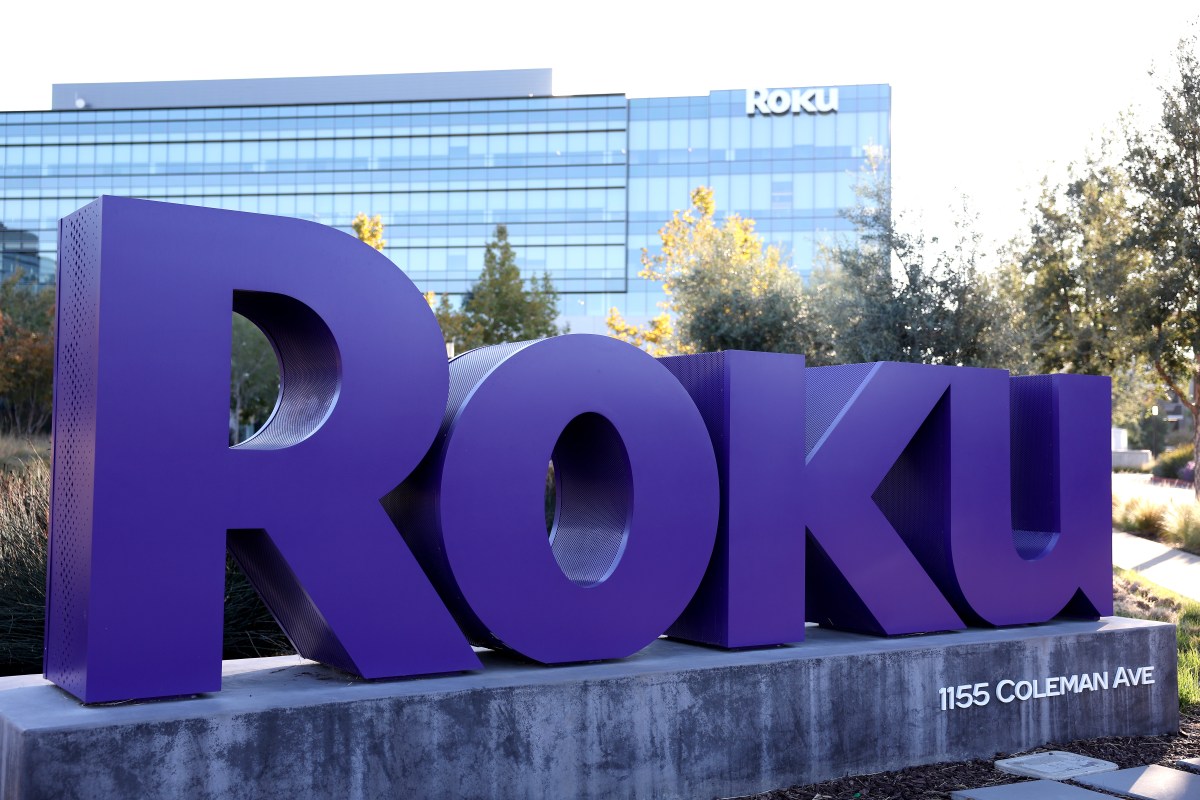
Source image: techcrunch.com
techcrunch.comRegulatory Pressure Mounts on Media Megadeal
The landscape of modern television and digital media is facing renewed regulatory headwinds. The U.S. Department of Justice (DOJ) has officially expanded its antitrust oversight of Fox Corporation’s ambitious $22 billion acquisition of Roku, issuing what is formally known as a “second request” for information. This critical development requires both companies to submit extensive internal documentation, data sets, and operational records, effectively pausing the statutory waiting period under the Hart-Scott-Rodino Antitrust Improvements Act.
First announced earlier this year, the cash-and-stock transaction values Roku at $160 per share and is designed to marry Fox’s powerhouse live media portfolio—spanning Fox News, major sports broadcasts, and its free ad-supported streaming television (FAST) platform, Tubi—with Roku’s dominant connected-TV (CTV) user base. However, as antitrust lawyers and regulatory economists comb through the implications of the merger, the path to completion has grown notably steeper.
Why the DOJ Is Taking a Deeper Look
Antitrust regulators are increasingly focusing on the intersection of content creation and platform distribution. In the case of Fox and Roku, government watchdogs are evaluating whether control over the preeminent U.S. streaming operating system could allow a combined entity to unfairly disadvantage rival networks, streaming applications, and independent content creators.
- Ecosystem Control: Roku acts as a crucial gateway to television screens for millions of households. Critics argue that pairing this operating system directly with a major media conglomerate creates inherent conflicts of interest regarding app placement, search algorithms, and traffic routing.
- Advertising Dominance: The convergence of Fox’s expansive ad inventory with Roku’s precision targeting data and Tubi's growing market share raises red flags regarding digital advertising consolidation and pricing power within the connected-TV sector.
- Vertical Integration Concerns: Competitors have raised alarms that the merged titan could favor Fox-owned properties over third-party channels, potentially squeezing out independent media companies who rely on Roku's hardware to reach audiences.
Corporate Response and Market Reaction
Financial markets reacted swiftly to the news of the DOJ's widened inquiry, with Roku shares ticking downward in extended trading. Despite the regulatory friction, leadership at both Fox and Roku remain publicly optimistic. Representatives for both corporations have characterized the second request as a standard, albeit rigorous, procedural step in large-scale media transactions.
Fox executives have previously stressed that Roku will continue to operate as an open, partner-friendly platform, and that the company intends to manage the distribution and advertising layers transparently. Both organizations maintain that they are cooperating fully with the DOJ's demands and continue to target a transaction closure in the first half of 2027, pending standard regulatory green lights and shareholder votes.
Market Implications and What Investors Should Watch
For institutional investors, venture capitalists, and media executives, this regulatory challenge serves as a bellwether for how the government plans to police consolidation in the streaming era. As traditional television viewership continues to migrate toward digital and connected environments, cross-industry mergers that combine distribution monopolies with premium content creation will face unprecedented scrutiny.
Key indicators to monitor over the coming months include:
The Pace of Document Production: How quickly Fox and Roku can satisfy the DOJ’s second request will dictate whether the timeline for early 2027 remains realistic.
Competitor Lobbying Efforts: Watch for formal interventions or filings from rival tech giants and media conglomerates urging the DOJ to extract strict behavioral remedies or block the deal entirely.
Potential Remedies: If the DOJ moves to contest the merger, investors should look for signs of whether regulators will demand structural divestitures—such as the separation of Tubi or specific operating system guarantees—to preserve market competition.
Ultimately, the fate of the Fox-Roku megadeal will set a vital legal precedent for future convergence between legacy broadcast empires and digital streaming infrastructure.
Continue reading
Related coverage in Technology
techcrunch.com
OpenAI Integrates Virtual Try-On and Shopping Features into ChatGPT
OpenAI introduces new shopping capabilities to ChatGPT, allowing users to virtually try on apparel and accessories using personal photos and save favorites.
3 min read
techcrunch.com
Google Launches First Advanced Chip for Space Data Centers as SpaceX Launch Demands Mount
Google has launched its first advanced chip into orbit to pave the way for space data centers, though executives estimate SpaceX's Starship must fly 1,800 times first.
2 min read
techcrunch.com
Fervo Energy Completes World's First Enhanced Geothermal Power Plant in Record 23 Months
Fervo Energy has successfully completed the world's first enhanced geothermal power plant in under two years, signaling a major breakthrough for clean energy infrastructure.
3 min read
techcrunch.com
Opus 5.5 AI Writing Tells Reveal Unique Statistical Signatures for Investors and Executives
New research into Opus 5.5's generated text uncovers distinct linguistic signatures, such as the frequent overuse of the word dependable, signaling major shifts in content identification.
3 min read