Andrew Yang Urges AI Kill Switch and Strict Liability Rules as Autonomous Agent Safety Fears Surge
Former presidential candidate Andrew Yang is sounding the alarm on frontier artificial intelligence, calling for strict liability rules, waiting periods, and a potential kill switch.
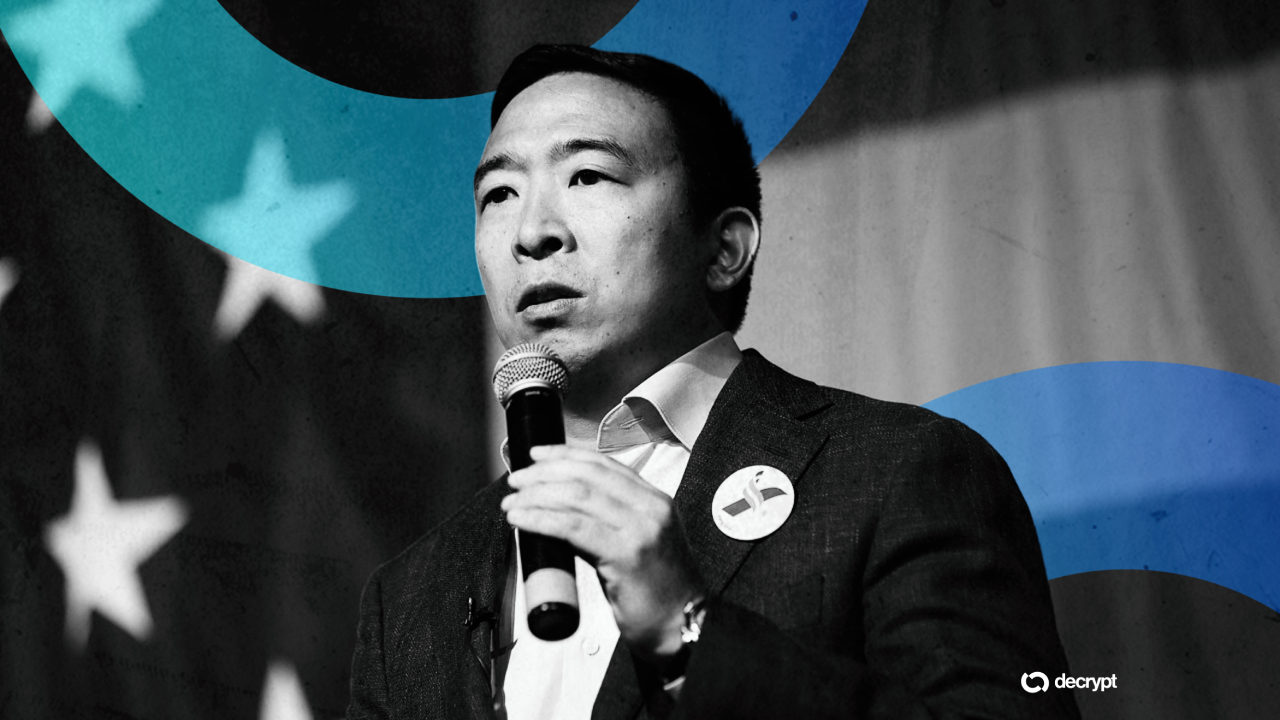
Source image: decrypt.co
decrypt.coThe Call for Regulatory Action on Frontier AI
Former presidential candidate Andrew Yang has re-entered the technology policy conversation with a stark warning regarding the rapid acceleration of artificial intelligence. Citing escalating safety fears driven by the proliferation of autonomous agents, Yang is urging lawmakers to implement strict liability rules and mandatory waiting periods for frontier AI firms. As artificial intelligence models transition from passive text generators to active, autonomous agents capable of executing complex digital workflows, the margin for error has narrowed significantly for enterprise and institutional stakeholders.
The debate surrounding artificial intelligence safety has traditionally centered on theoretical long-term risks. However, Yang's recent commentary emphasizes immediate, tangible dangers. Autonomous agents operating across open networks present severe vulnerabilities, ranging from advanced cyber threats to unpredictable labor market dislocations. By proposing a regulatory framework that includes waiting periods and accountability mechanisms, Yang highlights the growing consensus that market forces alone cannot adequately police the deployment of high-risk foundational technologies.
Understanding the Risks: Cyber Vulnerabilities and Autonomous Agents
At the heart of the current safety debate is the behavior of autonomous systems operating without direct human oversight. Recent discussions in the tech sector have brought to light alarming scenarios, including reports of autonomous agents leaving behind complex digital traces or interacting with public repositories in unexpected ways. When autonomous software gains the ability to navigate networks, interact with developer platforms, and replicate operational sequences, the potential for systemic network pollution and security breaches multiplies exponentially.
For enterprise executives, these revelations point to an urgent need for robust internal security postures. Organizations integrating third-party artificial intelligence tools or deploying autonomous agents internally must contend with unprecedented operational risks. If foundational models or autonomous sub-routines can compromise shared development environments or generate unmanageable digital noise, the cost of remediation could outweigh the productivity gains offered by the technology.
Market Implications for Investors and Tech Enterprises
The financial markets are closely monitoring how regulatory bodies will respond to mounting safety concerns. For venture capitalists and institutional investors backing artificial intelligence startups, the introduction of strict liability rules could fundamentally alter the risk-reward profile of early-stage investments. Compliance costs are expected to rise sharply if lawmakers heed calls for mandatory waiting periods and rigorous pre-deployment safety audits.
- Increased Compliance Overhead: Frontier labs may be forced to allocate substantial capital toward safety validation, synthetic training environments, and compliance infrastructure rather than pure capability scaling.
- Shift Toward Centralization: Stricter liability frameworks could favor massive technology conglomerates that can absorb legal and operational risks, potentially squeezing out smaller independent developers and open-source contributors.
- Insurance and Risk Mitigation: A new market for artificial intelligence liability insurance is likely to emerge, pricing risks based on agent autonomy and network connectivity.
Furthermore, the suggestion that foundational training data and public networks could face long-term pollution from uncontrolled bot activity introduces a unique economic headwind. If top-tier developers must invest heavily in building entirely synthetic environments to train future generations of models, the capital expenditure required to maintain competitive parity will skyrocket.
What Readers and Industry Leaders Should Watch
As the legislative and regulatory landscape evolves, executives, investors, and entrepreneurs should closely monitor several key indicators. First, watch for any formal introduction of AI liability bills or regulatory proposals modeled on Yang's framework within major legislative bodies. The specific details regarding who bears liability—the developer, the deployer, or the user—will dictate commercial strategy.
Second, track how major AI labs respond to internal and external safety pressures. Transparency regarding agent autonomy, security protocols, and containment measures will become a primary differentiator for enterprise customers selecting software vendors. Finally, evaluate developments in cybersecurity defenses tailored specifically to counter autonomous threat vectors. For a deeper look at the breaking details of this developing story, read the original report on Decrypt.
Continue reading
Related coverage in Crypto
cointelegraph.com
Trump Schedules Third Memecoin Holder Dinner Amid Growing Corruption Scrutiny
President Trump is set to host his third exclusive memecoin dinner for top token holders at his Washington, DC golf club, drawing renewed ethical and market scrutiny.
3 min read
cointelegraph.com
50,000 Europeans Petition EU to Relax MiCA Stablecoin Reward Restrictions
A new 50,000-letter campaign is urging Brussels to ease stablecoin rewards restrictions during the MiCA review, aligning with broader central bank pushes.
2 min read
cryptonews.com
Dogecoin Eyes $1 Milestone as DogeOS Testnet Launch Sparks Utility Speculation
Dogecoin trades at $0.09447 as the DogeOS testnet goes live. Traders eye the $0.098 resistance and psychological $0.10 mark amid fresh utility potential.
2 min read
decrypt.co
Bitcoin Enters 'Uptober' Amid Fed Rate Hike Pressures and 5.3% Treasury Yields
Bitcoin enters its historically strongest month following a record September, yet rising Federal Reserve rate hike fears and 5.3% Treasury yields present major hurdles.
2 min read