An Era Ends: Tim Cook Steps Down After Fueling a Historic 2,200 Percent Apple Rally
Tim Cook has stepped down as Apple CEO after 15 transformative years, handing the reins to John Ternus after delivering a massive 2,200% stock surge and record financial growth.
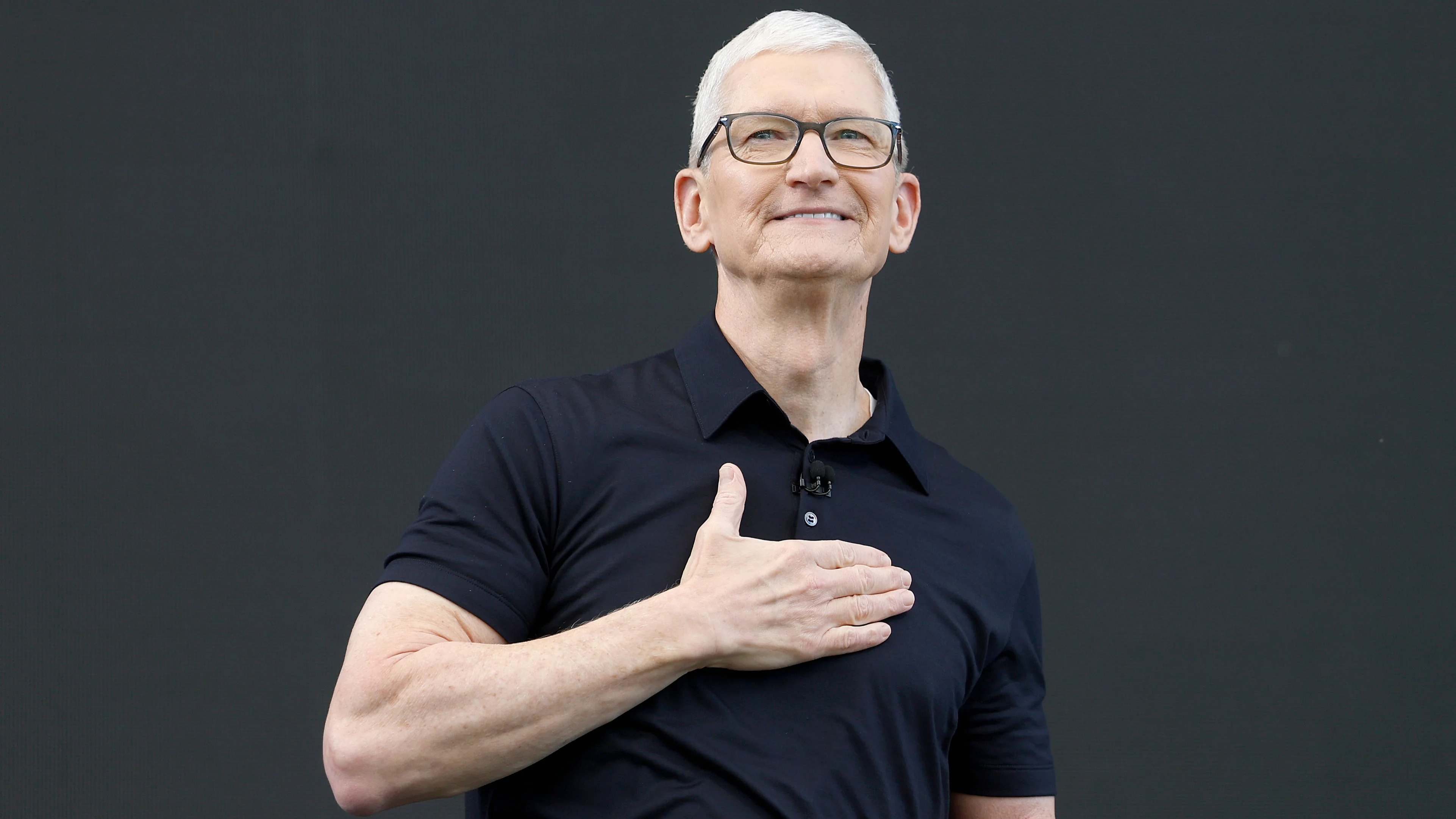
Source image: inc.com
inc.comA Monumental Transition at the World's Most Valuable Tech Behemoth
In a watershed moment for global financial markets, Tim Cook has officially stepped down as the Chief Executive Officer of Apple Inc., closing out a legendary 15-year tenure that fundamentally reshaped modern corporate history. Taking over the reins from co-founder Steve Jobs in August 2011, Cook inherited an iconic enterprise valued at less than $350 billion. Today, he passes the baton to long-time hardware chief John Ternus as Apple commands a staggering valuation exceeding $4.5 trillion. Cook will remain closely tied to the firm, transitioning into the role of executive chairman to help navigate complex geopolitical corridors and regulatory landscapes.
Wall Street analysts and institutional investors have spent the transition dissecting the sheer magnitude of Cook's financial legacy. During his time leading the company, Apple's stock soared more than 2,200%, fueled by a masterclass in global supply chain optimization, relentless margin expansion, and an unprecedented capital return program. Financial metrics underscore a period of extraordinary wealth creation:
- Revenue Expansion: Annual revenue expanded at a compound annual growth rate of 7.8% from fiscal 2012 through fiscal 2025, surging from $156 billion to $416.2 billion.
- The Services Powerhouse: Cook successfully diversified Apple beyond hardware dependency. The high-margin Services division alone generated over $109 billion in fiscal 2025—surpassing the total revenue of the entire corporation when Cook first took office.
- Aggressive Share Buybacks: Apple poured more than $840 billion into share repurchases since fiscal 2012, shrinking the outstanding share count by over 40% and providing a relentless tailwind to earnings-per-share growth.
Market Implications and the Valuation Conundrum
While Cook's operational wizardry turned Apple into an unstoppable earnings machine, it leaves incoming CEO John Ternus with a remarkably high bar to clear. When Cook assumed control, investors priced Apple stock at roughly 12 to 15 times forward earnings. Today, the equity trades at a premium multiple exceeding 33 times anticipated earnings, reflecting immense market expectations around future cash flows and ecosystem stickiness.
This elevated valuation introduces significant execution risk. Market participants are closely watching how Ternus handles the company's next strategic phase, particularly regarding artificial intelligence integration, research and development velocity, and potential mergers and acquisitions. While Apple has historically thrived by perfecting existing consumer categories rather than being a first-mover, the accelerating race for generative AI leadership leaves little room for hesitation.
What Institutional Investors Should Watch Next
As Apple enters the Ternus era, portfolio managers and institutional stakeholders are shifting their focus toward several key operational indicators:
- AI Integration and Monetization: How quickly Apple can roll out revamped AI infrastructure, advanced Siri capabilities, and monetize software enhancements across its active installed base of over 2.5 billion devices.
- Capital Allocation Shifts: Whether Ternus and the board will pivot away from historic net-cash-neutral targets to pursue more aggressive corporate acquisitions or higher capital expenditures.
- Hardware Refresh Cycles: Upcoming product showcases, starting with the critical September product lines, to test consumer demand for next-generation devices under new engineering leadership.
Ultimately, Tim Cook leaves behind an operationally bulletproof enterprise with unmatched brand loyalty and cash-generation capabilities. However, sustaining a $4.5 trillion market capitalization requires more than steady stewardship; it demands structural innovation. For investors, the immediate future will test whether Apple can successfully translate its massive hardware footprint into the defining platform of the artificial intelligence age.
Continue reading
Related coverage in Business
nytimes.com
David Ellison Targets CNN Leadership Continuity in Paramount Merger Talks
David Ellison is currently negotiating to retain CNN CEO Mark Thompson without oversight from CBS editor in chief Bari Weiss as parent companies navigate merger plans.
2 min read
bbc.com
Decoding Nike’s Slump: How Strategic Missteps Cost the Sportswear Titan Its Edge
Explore the factors behind Nike's dramatic market decline. Industry analysts dissect the self-inflicted strategic errors that shook the sportswear giant.
3 min read
bbc.com
Treasury Committee Directs HMRC to Investigate Tax Implications of Manchester City Case
The UK Treasury Committee has called on HMRC to closely examine potential tax ramifications arising from the high-profile Manchester City legal verdict.
3 min read
nytimes.com
US Imposes Sanctions on Russian Firm A7 Over Global Shell Company Evasion Schemes
The United States targets Russian financial firm A7 with new sanctions following reports of utilizing global shell companies to bypass existing economic restrictions.
3 min read