Amazon Deploys AI-Powered Verification Tool to Combat Sophisticated Business Impersonation Scams
Amazon has launched an innovative Alexa for Shopping verification tool allowing consumers to authenticate inbound messages and fight rising phishing fraud.
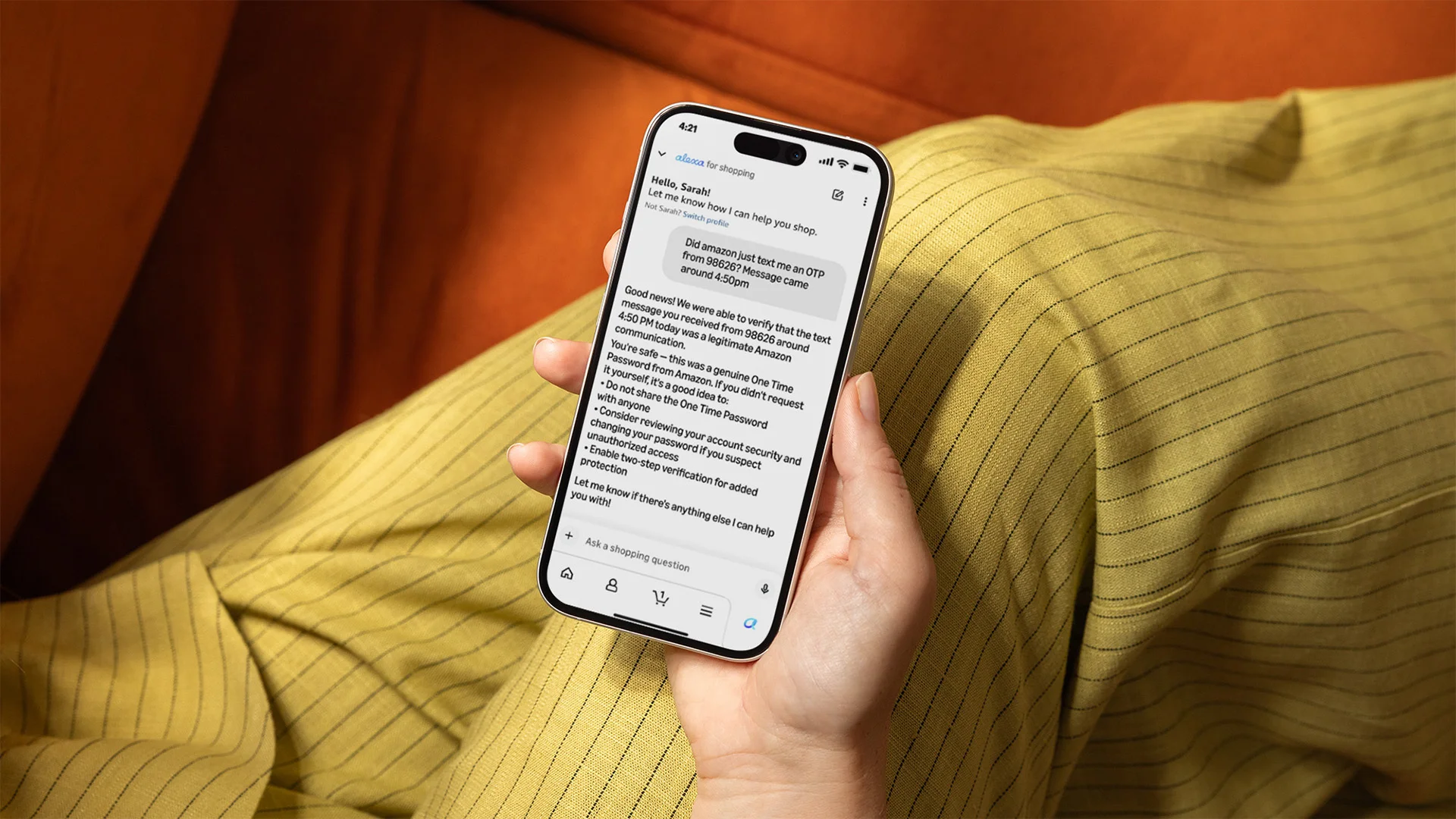
Source image: inc.com
inc.comCombating the Epidemic of Business Impersonation
As cybercriminals increasingly leverage generative artificial intelligence to launch hyper-realistic phishing campaigns, global e-commerce titan Amazon has responded with a powerful countermeasure. The company has rolled out an advanced, AI-driven verification tool embedded within its Alexa for Shopping interface, designed to give consumers a reliable, real-time method to authenticate corporate communications.
According to enterprise disclosures, approximately 360,000 customers contact Amazon's support infrastructure each year merely to ask a single question: Is this message, email, or phone call genuinely from Amazon? By turning to automated verification, the retail giant aims to eliminate guesswork, mitigate financial fraud, and streamline customer service operations.
How the AI Verification Mechanism Operates
The newly launched system operates by allowing users to query Alexa for Shopping with specific details regarding a suspicious interaction. Shoppers can ask whether a text message about a delayed package, an urgent email regarding an account suspension, or an unexpected phone call concerning a refund actually originated from corporate channels.
- Outbound Log Cross-Referencing: The system matches submitted details against a secure database housing records of billions of legitimate historical communications.
- Multidimensional Signal Analysis: The AI evaluates sender metadata, transmission timestamps, structural formatting, and contextual content.
- Definitive Verdicts: The tool yields one of three responses: confirmed genuine, non-matching (indicating a likely scam), or unable to verify.
- Automated Threat Reporting: Any message flagged by a user is instantly routed to Amazon’s internal buyer risk prevention and enforcement teams for threat tracking.
Market Implications and Corporate Responsibility
Business-impersonation fraud has escalated into a multi-billion-dollar crisis. Federal data indicates that consumers lose hundreds of millions of dollars annually to bad actors posing as trusted brands. For enterprise executives and retail executives, the fallout extends far beyond direct consumer financial loss; it manifests as eroded customer trust, expensive support ticket resolution, and brand liability.
Amazon's proactive deployment establishes a new benchmark for customer protection. While major competitors like Walmart are tackling the ecosystem crisis by linking backend fraud signals across identity checks and returns data, Amazon's front-facing tool empowers the end-user directly. Analysts note that establishing frictionless authentication channels significantly lowers the success rate of social engineering attacks.
What Investors and Executives Should Watch
For investors monitoring the retail, cybersecurity, and fintech sectors, several critical takeaways emerge from this rollout:
- Shift Toward Consumer-Facing Security: Security is increasingly becoming a core product feature rather than a back-end IT concern.
- Reduction of Support Overhead: Automating authentication for hundreds of thousands of routine fraud-inquiry tickets optimizes corporate operational expenditures.
- Regulatory and Compliance Pressures: As federal agencies crack down on consumer protection lapses, proactive verification frameworks shield corporations from growing legal liabilities.
Ultimately, as artificial intelligence continues to lower the barrier to entry for sophisticated fraudsters, enterprise value will increasingly concentrate in firms capable of defending their brand perimeter and protecting their consumer base at scale.
Continue reading
Related coverage in Business
nytimes.com
David Ellison Targets CNN Leadership Continuity in Paramount Merger Talks
David Ellison is currently negotiating to retain CNN CEO Mark Thompson without oversight from CBS editor in chief Bari Weiss as parent companies navigate merger plans.
2 min read
bbc.com
Decoding Nike’s Slump: How Strategic Missteps Cost the Sportswear Titan Its Edge
Explore the factors behind Nike's dramatic market decline. Industry analysts dissect the self-inflicted strategic errors that shook the sportswear giant.
3 min read
bbc.com
Treasury Committee Directs HMRC to Investigate Tax Implications of Manchester City Case
The UK Treasury Committee has called on HMRC to closely examine potential tax ramifications arising from the high-profile Manchester City legal verdict.
3 min read
nytimes.com
US Imposes Sanctions on Russian Firm A7 Over Global Shell Company Evasion Schemes
The United States targets Russian financial firm A7 with new sanctions following reports of utilizing global shell companies to bypass existing economic restrictions.
3 min read