Albuquerque Cracks Down on Crypto Infrastructure, Mandating Complete Removal of Bitcoin ATMs Within 45 Days
Albuquerque passes a strict ordinance banning crypto ATMs and cashier-assisted virtual currency trades, citing high fraud rates and giving operators 45 days to clear machines.
Source image: decrypt.co
decrypt.coA Decisive Regulatory Pivot in New Mexico
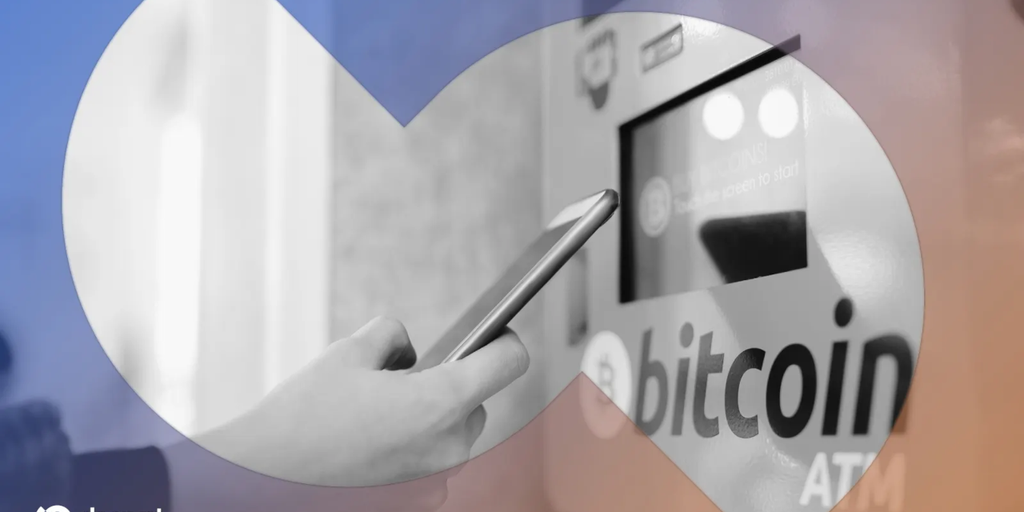
In a decisive legislative move addressing consumer protection and financial crime, the Albuquerque City Council has officially voted to pass a comprehensive ordinance banning all virtual currency automatic teller machines (ATMs) and cashier-assisted digital asset transactions. Operators and commercial hosts hosting the hardware now face a strict 45-day deadline to ensure complete removal of the devices from city limits. Failure to comply risks substantial daily financial penalties and the immediate revocation of municipal business licenses.
The ordinance, spearheaded by local council members, targets the physical infrastructure of the cryptocurrency ecosystem rather than underlying digital assets. City leadership was careful to clarify that Albuquerque residents retain their full legal rights to own, trade, and manage cryptocurrencies via personal digital wallets and online, regulated exchanges. However, the physical kiosks that dot gas stations, convenience stores, and retail centers are being targeted as vector points for illicit activities.
The Catalyst: Soaring Fraud Rates and Vulnerable Populations
The primary driver behind the sudden legislative action is an alarming surge in financial scams targeting local residents. According to data cited during council sessions, New Mexico witnessed tens of millions of dollars lost to cryptocurrency-related fraud, with a significant concentration impacting elderly demographics. Councilor Stephanie Telles, a co-sponsor of the ordinance, stated that internal evaluations indicate roughly 90% of all crypto ATM transactions processed within Albuquerque are tied directly to fraudulent activity.
Key factors cited by municipal authorities include:
- Irreversibility: Unlike traditional banking wire transfers or credit card chargebacks, crypto ATM transactions are immediate and permanently final.
- Anonymity and Speed: Scammers routinely exploit the rapid settlement times to siphon funds out of reach before law enforcement can intervene.
- Predatory Fees: Prohibitive kiosk fees mean legitimate traders avoid the machines entirely, leaving scammers and financially desperate individuals as the primary user base.
Broader Market Implications and Industry Strain
Albuquerque is far from an isolated anomaly. Municipalities and state legislatures across the United States—including jurisdictions in Indiana, Tennessee, Minnesota, and Washington—are increasingly adopting aggressive stances against unregulated physical crypto kiosks. This legislative hostility compounds existing structural pressures across the sector. Major market players have already experienced profound operational distress, underscored by major bankruptcies and widespread fleet reductions across North America.
For institutional investors and fintech founders, the proliferation of localized bans signals a fragmented regulatory landscape. While decentralized finance (DeFi) and institutional spot exchange-traded products continue gaining mainstream financial integration, physical cash-to-crypto on-ramps face an uphill battle against compliance mandates and consumer protection backlash.
What Investors and Operators Should Watch
As the 45-day countdown ticks down in Albuquerque, industry participants must monitor several critical vectors moving forward:
- State-Level Precedents: Watch whether New Mexico legislators attempt to transform Albuquerque’s municipal ban into a statewide statutory prohibition.
- Operator Compliance Costs: Assess how remaining national kiosk networks adapt their compliance framework, including mandatory identity verification (KYC) upgrades that could price out illicit actors but suppress volume.
- Host Liability: Monitor legal liability trends for retail businesses that host these machines, as municipal penalties increasingly target storefront property owners alongside network operators.
Ultimately, Albuquerque's crackdown serves as a bellwether for the friction points between traditional municipal governance and physical crypto infrastructure. As local governments increasingly shoulder the cost of consumer fraud, operators failing to institute robust safeguards face the prospect of total displacement from urban markets nationwide.
Continue reading
Related coverage in Crypto
cointelegraph.com
Trump Schedules Third Memecoin Holder Dinner Amid Growing Corruption Scrutiny
President Trump is set to host his third exclusive memecoin dinner for top token holders at his Washington, DC golf club, drawing renewed ethical and market scrutiny.
3 min read
cointelegraph.com
50,000 Europeans Petition EU to Relax MiCA Stablecoin Reward Restrictions
A new 50,000-letter campaign is urging Brussels to ease stablecoin rewards restrictions during the MiCA review, aligning with broader central bank pushes.
2 min read
cryptonews.com
Dogecoin Eyes $1 Milestone as DogeOS Testnet Launch Sparks Utility Speculation
Dogecoin trades at $0.09447 as the DogeOS testnet goes live. Traders eye the $0.098 resistance and psychological $0.10 mark amid fresh utility potential.
2 min read
decrypt.co
Bitcoin Enters 'Uptober' Amid Fed Rate Hike Pressures and 5.3% Treasury Yields
Bitcoin enters its historically strongest month following a record September, yet rising Federal Reserve rate hike fears and 5.3% Treasury yields present major hurdles.
2 min read