AI Startup Founder Pleads Guilty to Securities Fraud After Orchestrating $27 Million Deception
The former CEO of AI recruiting startup Joonko faces up to 20 years in federal prison after admitting she used forged bank records and fake clients to secure $27 million.
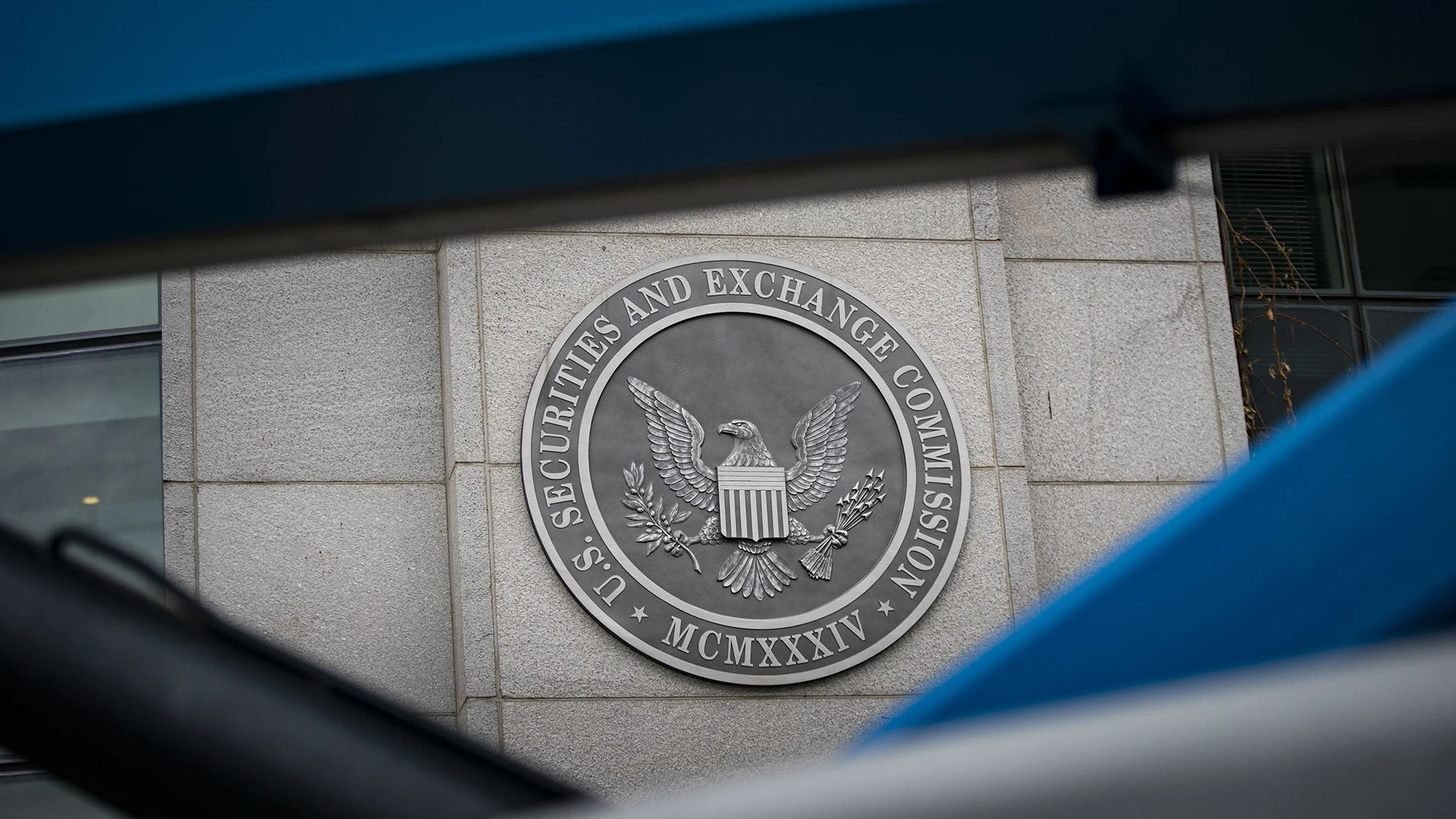
Source image: inc.com
inc.comThe Anatomy of a High-Stakes Startup Fraud
The venture capital ecosystem relies heavily on trust, transparency, and verifiable metrics. However, the high-pressure environment of rapid fundraising occasionally breeds severe malpractice. Ilit Raz, the founder and former chief executive of Joonko Diversity, Inc., recently entered a guilty plea in the U.S. District Court for the Southern District of New York, admitting to securities fraud. Her admission brings a definitive criminal conclusion to a scandal that has rattled institutional investors and underscored systemic flaws in startup oversight.
Joonko, launched with the promise of utilizing artificial intelligence to streamline corporate recruitment and promote workplace diversity, successfully positioned itself as a darling of the tech sector. Between 2021 and 2022, Raz capitalized on the tech boom to secure approximately $27 million in venture funding—including a $10 million Series A round and a subsequent $17 million Series B round. Behind the polished corporate presentation, however, lay a web of fabricated achievements and manufactured financial health.
Fabricated Metrics and Illusory Enterprise Clients
According to federal prosecutors and parallel civil filings by the Securities and Exchange Commission (SEC), Raz systematically misled investors about the fundamental health of her business. She claimed that Joonko possessed an active client roster exceeding 100 enterprise organizations—including prominent global credit card institutions, major luxury fashion houses, and international travel companies. In reality, none of these corporate giants had ever engaged with or purchased software from Joonko.
The deception unraveled in 2023 when a vigilant investor began questioning the company's performance metrics and requested direct access to financial documentation. Rather than disclosing the reality of the business, Raz doubled down on the fraud. Prosecutors documented that she generated forged bank statements displaying an average account balance exceeding $5 million, alongside fictitious purchase orders bearing forged signatures from non-existent clients. The house of cards eventually collapsed, leading to corporate bankruptcy and millions of dollars in losses for deceived backers.
Market Implications and the Erosion of Trust
The Joonko scandal carries profound implications for the broader venture capital and startup landscape. In an era where capital deployment has grown increasingly selective, fraudulent activities by bad actors cast an unwarranted shadow over legitimate entrepreneurs—particularly female founders and underrepresented innovators working hard to secure funding. Furthermore, the incident exposes critical gaps in institutional due diligence. Investors are now under immense pressure to tighten their verification protocols, moving beyond surface-level slide decks and self-reported metrics to rigorously audit core financial instruments and customer pipelines.
- Heightened Scrutiny: Venture capital firms are adopting stricter compliance and forensic verification standards during pre-investment due diligence.
- Regulatory Crackdown: Federal regulators continue to signal zero tolerance for corporate dishonesty, signaling a permanent shift toward aggressive criminal prosecution of white-collar startup fraud.
- Ecosystem Fallout: Legitimate early-stage tech ventures face elongated fundraising cycles as investors demand deeper proof of product-market fit and revenue validation.
What Investors and Executives Must Monitor Moving Forward
As the legal proceedings conclude—with Raz facing a statutory maximum sentence of 20 years in federal prison—market participants must extract valuable lessons from the Joonko collapse. For institutional investors, the episode emphasizes the absolute necessity of independent third-party confirmations, direct bank verification, and direct outreach to listed corporate clients during reference checks.
For startup executives and entrepreneurs, the case serves as a stark reminder that the pursuit of growth at all costs carries devastating personal and professional consequences. As federal prosecutors and regulatory bodies intensify their oversight of private markets, transparency and absolute integrity remain the ultimate prerequisites for long-term corporate viability.
Continue reading
Related coverage in Business
nytimes.com
David Ellison Targets CNN Leadership Continuity in Paramount Merger Talks
David Ellison is currently negotiating to retain CNN CEO Mark Thompson without oversight from CBS editor in chief Bari Weiss as parent companies navigate merger plans.
2 min read
bbc.com
Decoding Nike’s Slump: How Strategic Missteps Cost the Sportswear Titan Its Edge
Explore the factors behind Nike's dramatic market decline. Industry analysts dissect the self-inflicted strategic errors that shook the sportswear giant.
3 min read
bbc.com
Treasury Committee Directs HMRC to Investigate Tax Implications of Manchester City Case
The UK Treasury Committee has called on HMRC to closely examine potential tax ramifications arising from the high-profile Manchester City legal verdict.
3 min read
nytimes.com
US Imposes Sanctions on Russian Firm A7 Over Global Shell Company Evasion Schemes
The United States targets Russian financial firm A7 with new sanctions following reports of utilizing global shell companies to bypass existing economic restrictions.
3 min read