AI Crypto Revenue Gap Challenges Token Valuations for Bittensor and Render
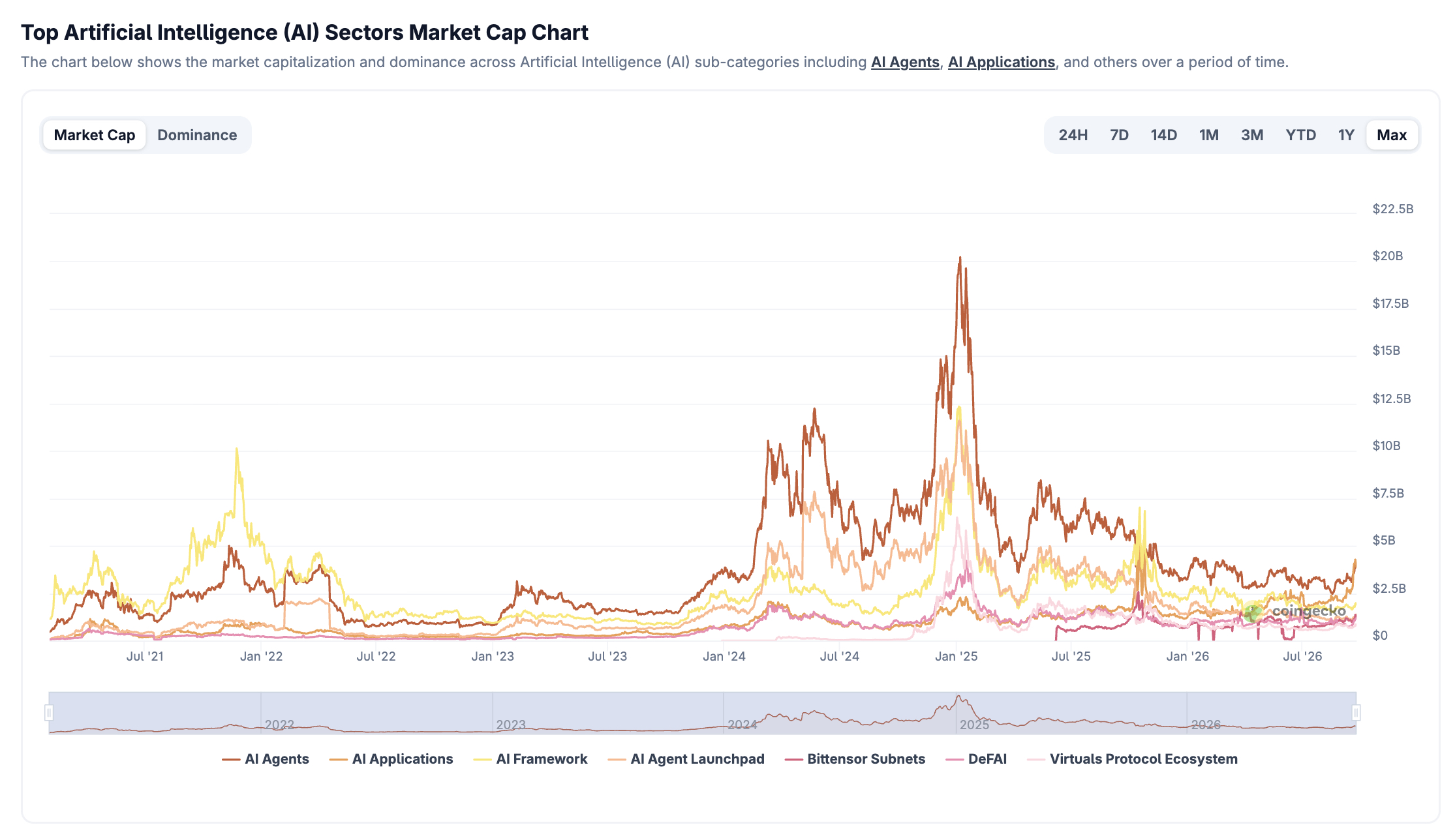
AI crypto projects like Bittensor and Render attract immense market attention, but a widening revenue gap is putting their actual token values to a serious test.
Source image: cryptonews.com
cryptonews.comIntroduction to the AI Crypto Revenue Dilemma
The intersection of artificial intelligence and cryptocurrency has emerged as one of the most dynamic narratives in modern digital finance. Major projects drawing substantial attention and investment include decentralized AI networks like Bittensor and Render. However, an underlying structural challenge is coming to light, focusing heavily on the revenue gap that separates speculative market valuations from concrete financial performance. Investors are increasingly questioning whether current token prices are sustainable without proportional revenue generation and direct value capture mechanisms.
What Happened: The Valuation Versus Reality Check
Recently, market observers and financial analysts have pointed out a persistent disparity within the AI crypto sector. While networks like Bittensor and Render command multi-billion-dollar market capitalizations driven by the broader AI boom, their actual protocol revenues tell a more modest story. This revenue gap exposes a potential vulnerability where token values are sustained primarily by narrative momentum and speculative demand rather than fundamental utility and cash-flow generation. As market cycles mature, the pressure on these decentralized networks to bridge the gap between valuation and earnings is intensifying rapidly.
Why It Matters for Investors and Executives
For executives, founders, and serious investors, the current situation serves as a critical stress test for tokenomics design. Key considerations include:
- Value Capture: High trading volumes and massive market caps do not automatically translate to protocol revenue if token utility is weak.
- Fundamental Analysis: Traditional financial metrics are slowly creeping into crypto valuation models, making raw hype insufficient for long-term sustainability.
- Capital Allocation: Institutional participants are demanding clearer visibility into how token demand is structurally tied to network usage and fee generation.
Market Implications and Sector Outlook
The realization that a revenue gap exists across leading AI crypto projects could trigger a broader repricing of digital assets within the category. Projects that fail to establish robust revenue models risk severe corrections if broader market sentiment shifts away from speculative AI narratives. Conversely, networks that successfully innovate in value capture and fee distribution could emerge as durable leaders. The ability to prove real-world utility and economic traction will likely dictate which tokens survive the next phase of market scrutiny.
What Readers Should Watch Moving Forward
To navigate this evolving landscape, market participants should closely monitor several key indicators:
- Protocol fee generation trends and revenue growth quarter-over-quarter.
- Changes in tokenomics models that enhance direct value accrual for token holders.
- Shifts in institutional investment patterns toward fundamental-driven crypto assets.
- Regulatory developments impacting decentralized AI computing and token distribution models.
Continue reading
Related coverage in Crypto
cointelegraph.com
Trump Schedules Third Memecoin Holder Dinner Amid Growing Corruption Scrutiny
President Trump is set to host his third exclusive memecoin dinner for top token holders at his Washington, DC golf club, drawing renewed ethical and market scrutiny.
3 min read
cointelegraph.com
50,000 Europeans Petition EU to Relax MiCA Stablecoin Reward Restrictions
A new 50,000-letter campaign is urging Brussels to ease stablecoin rewards restrictions during the MiCA review, aligning with broader central bank pushes.
2 min read
cryptonews.com
Dogecoin Eyes $1 Milestone as DogeOS Testnet Launch Sparks Utility Speculation
Dogecoin trades at $0.09447 as the DogeOS testnet goes live. Traders eye the $0.098 resistance and psychological $0.10 mark amid fresh utility potential.
2 min read
decrypt.co
Bitcoin Enters 'Uptober' Amid Fed Rate Hike Pressures and 5.3% Treasury Yields
Bitcoin enters its historically strongest month following a record September, yet rising Federal Reserve rate hike fears and 5.3% Treasury yields present major hurdles.
2 min read