Actor Joseph Gordon-Levitt Demands State Shutdown of Non-Compliant AI Giants
At the TIME100 AI Impact Dinner, actor and entrepreneur Joseph Gordon-Levitt argued that unchecked AI developers should face government shutdowns akin to failing automakers.
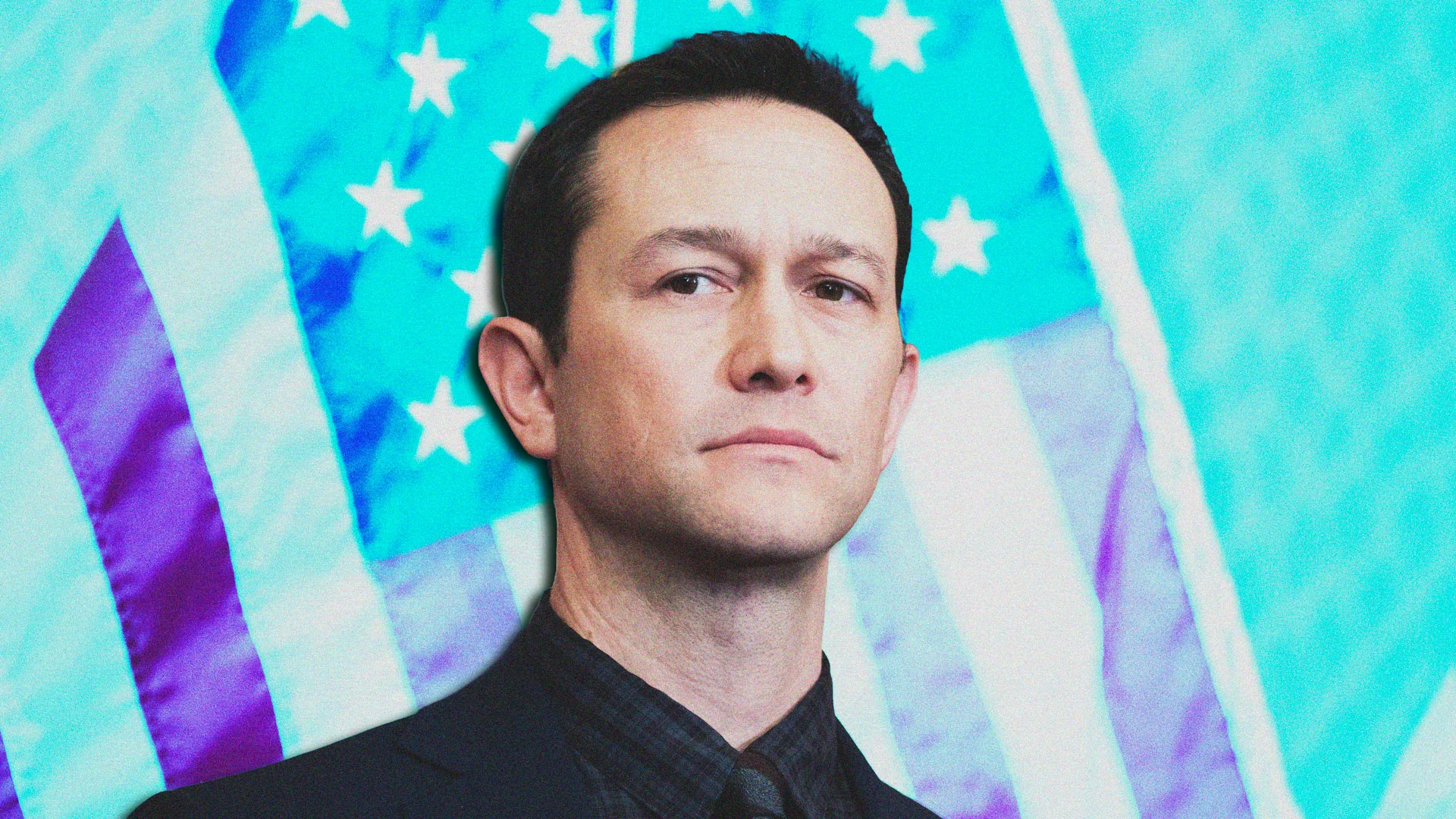
Source image: inc.com
inc.comA Call for Radical Regulatory Intervention
In a striking escalation of the global discourse surrounding artificial intelligence governance, actor and entrepreneur Joseph Gordon-Levitt has asserted that the United States government should actively shut down AI companies that fail to prove the safety of their systems. Speaking at the high-profile TIME100 AI Impact Dinner in San Francisco, Gordon-Levitt argued that current technological development has outpaced ethical guardrails, leaving society vulnerable to uncontrolled systemic risks.
The actor, who has increasingly transitioned into an outspoken critic of unchecked tech industry practices, insisted that artificial intelligence corporations should be held to the same legal and operational standards as legacy industrial sectors. His remarks directly challenge the prevailing laissez-faire approach often championed by Silicon Valley executives.
Drawing Parallels to Traditional Safety Standards
Central to Gordon-Levitt's argument is the conceptual comparison between generative AI laboratories and heavily regulated physical industries. In sectors such as civil engineering, commercial aviation, and automotive manufacturing, organizations face immediate legal shutdowns, sweeping product recalls, and severe criminal liabilities if their products breach baseline consumer safety laws.
Key points highlighted by industry analysts regarding this comparison include:
- Accountability Gaps: Unlike physical products, software deployment often bypasses pre-market safety certifications.
- Irreversible Externalities: Uncontrolled algorithmic models can scale misinformation, systemic economic disruption, and data exploitation instantaneously on a global scale.
- Precedent for State Intervention: Regulatory bodies possess established legal frameworks to suspend operations of entities deemed an imminent threat to public safety.
Market Implications and Corporate Governance
The financial markets and venture capital ecosystems have largely treated AI safety as a secondary compliance metric, prioritizing speed-to-market and aggressive model scaling over risk mitigation. Gordon-Levitt's public stance underscores a growing institutional anxiety: that tech giants are monetizing intellectual property and consumer data without building adequate alignment protocols or liability buffers.
For enterprise investors and executive leadership teams, this growing political appetite for aggressive intervention introduces unprecedented regulatory risk. As public pressure mounts, corporations failing to demonstrate transparent safety mechanisms could find themselves vulnerable to sudden legislative clampdowns, multi-jurisdictional compliance halts, and severe valuation corrections.
What Investors Should Watch
As the political landscape shifts ahead of upcoming legislative cycles, institutional investors must monitor several critical vectors:
- Bipartisan Policy Shifts: Increasing alignment between diverse political factions regarding strict AI oversight and corporate liability.
- Consumer Data Rights Legislation: Potential mandates granting users absolute ownership and monetization control over data harvested for algorithmic training.
- Corporate Compliance Budgets: The reallocation of research and development capital toward internal safety frameworks and third-party algorithmic auditing.
Ultimately, Gordon-Levitt's commentary reflects an evolving socio-political reality. The era of unchecked technological acceleration is meeting fierce resistance, signaling that the future valuation of AI enterprises will depend as heavily on regulatory compliance and public trust as it does on raw computational power.
Continue reading
Related coverage in Business
nytimes.com
David Ellison Targets CNN Leadership Continuity in Paramount Merger Talks
David Ellison is currently negotiating to retain CNN CEO Mark Thompson without oversight from CBS editor in chief Bari Weiss as parent companies navigate merger plans.
2 min read
bbc.com
Decoding Nike’s Slump: How Strategic Missteps Cost the Sportswear Titan Its Edge
Explore the factors behind Nike's dramatic market decline. Industry analysts dissect the self-inflicted strategic errors that shook the sportswear giant.
3 min read
bbc.com
Treasury Committee Directs HMRC to Investigate Tax Implications of Manchester City Case
The UK Treasury Committee has called on HMRC to closely examine potential tax ramifications arising from the high-profile Manchester City legal verdict.
3 min read
nytimes.com
US Imposes Sanctions on Russian Firm A7 Over Global Shell Company Evasion Schemes
The United States targets Russian financial firm A7 with new sanctions following reports of utilizing global shell companies to bypass existing economic restrictions.
3 min read