2026 Holiday Shipping Costs Surge as Major Logistics Giants Implement Steep Peak-Season Surcharges
Businesses face a costly Q4 as FedEx, UPS, USPS, and Amazon roll out aggressive peak-season shipping surcharges, pushing last-mile delivery expenses to new heights.
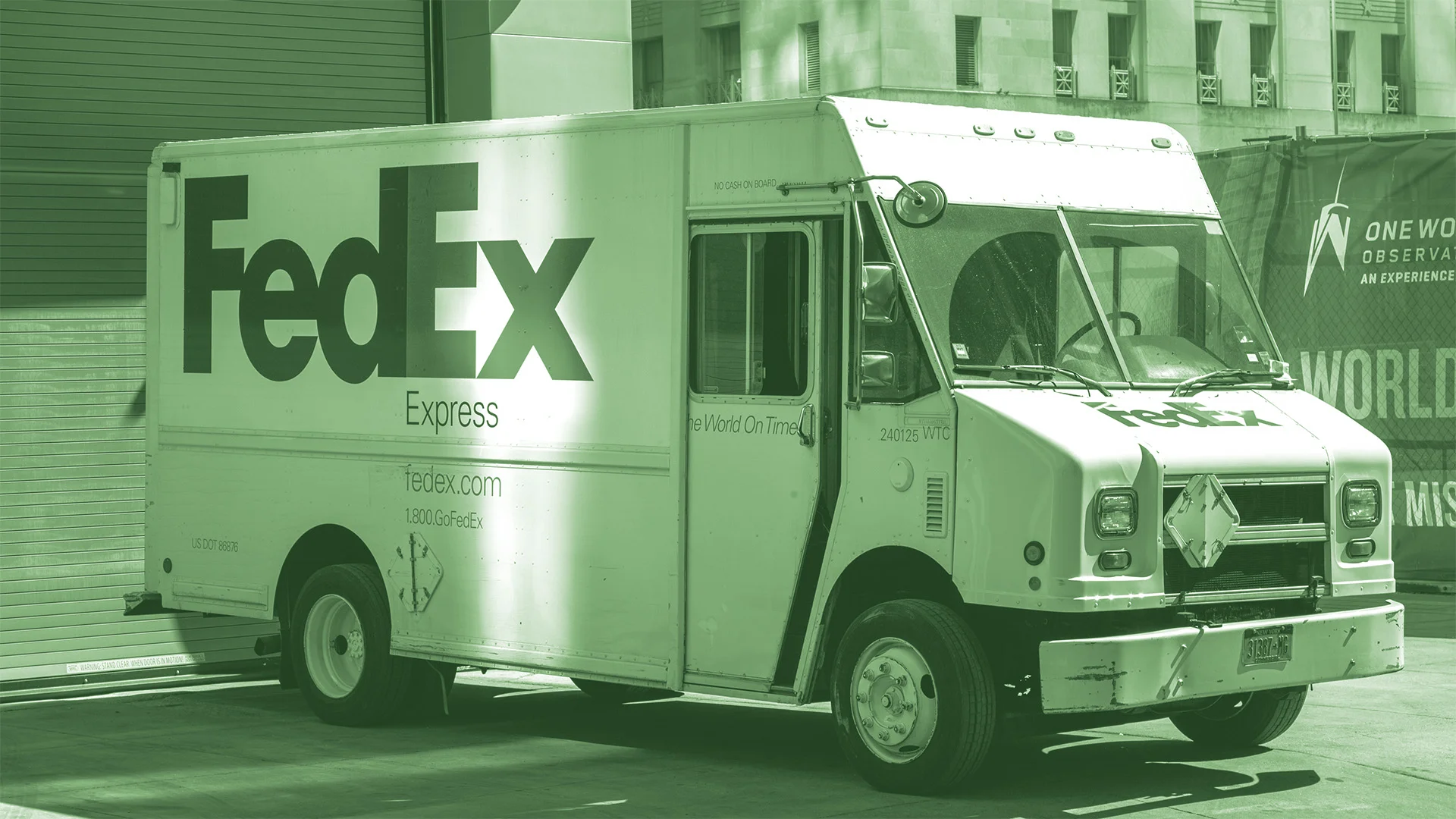
Source image: inc.com
inc.comThe 2026 Peak-Season Cost Pressure
The financial burden on businesses relying on last-mile delivery is intensifying. Major parcel delivery networks—led by FedEx, UPS, the United States Postal Service (USPS), and Amazon Shipping—have unveiled their comprehensive peak-season surcharge frameworks for the 2026 holiday shopping window. Coming on the heels of a year characterized by stubbornly high fuel surcharges and elevated base rates, these temporary demand-driven fees threaten to compress profit margins across the retail and e-commerce sectors.
Unlike baseline annual rate adjustments, these specialized surcharges take effect much earlier than traditional holiday shopping rushes. While specific structures vary among providers, carriers have engineered multi-tiered schedules that ramp up sharply between late November and late December, creating a highly volatile cost environment for enterprise shippers and direct-to-consumer brands alike.
Carrier Breakdown: What to Expect from FedEx, UPS, USPS, and Amazon
Each major logistics provider has structured its peak-season pricing strategy to manage expected volume spikes, yet the collective outcome remains uniformly costly for business shippers:
- FedEx: FedEx has introduced a dual-start schedule, hitting non-standard, oversized, and handling-intensive packages with steep surcharges beginning as early as late September. Residential and home delivery demand surcharges kick in by late October, with peak-window rates escalating significantly between November 23 and December 27.
- UPS: UPS has mirrored a comparable timeline, introducing demand surcharges for oversized packages in late September, followed by broader residential ground and air surcharges in late October. High-volume shippers face rigorous threshold rules, driving up overall logistics overhead during the critical core holiday weeks.
- USPS: Following an active year of baseline rate alterations, the U.S. Postal Service has established temporary seasonal price adjustments across core services including Priority Mail, Ground Advantage, and Parcel Select. Rather than separate line-item fees, USPS has integrated these temporary costs directly into label pricing structures.
- Amazon Shipping: Rounding out the competitive landscape, Amazon Shipping has also readied its holiday delivery surcharges, maintaining pressure on merchants who leverage alternative logistics networks to bypass traditional carrier channels.
Market Implications and Corporate Strategy
The cumulative impact of these peak-season adjustments extends far beyond individual shipping manifests. For publicly traded retailers, e-commerce platforms, and third-party logistics (3PL) providers, elevated shipping expenses directly challenge fourth-quarter earnings projections. Companies that absorb these costs risk margin erosion, while those that pass them directly onto consumers risk dampened demand and lower conversion rates during the year's most crucial sales period.
Furthermore, digital marketplaces face secondary structural impacts. On platforms where shipping fees factor into transaction calculations or gross merchandise volume (GMV) reporting, inflated delivery costs artificially inflate top-line metrics while masking underlying margin contraction for underlying merchants.
Strategic Recommendations for Investors and Executives
To navigate the 2026 peak-shipping landscape successfully, corporate leaders and logistics managers must deploy proactive mitigation tactics:
- Audit and Right-Size Packaging: Minimize the risk of triggering severe 'additional handling' or 'oversize' surcharges by optimizing packaging dimensions and eliminating dead space.
- Diversify Carrier Portfolios: Explore regional carriers and alternative logistics providers that maintain zero peak-surcharge policies to insulate operations from national carrier pricing dominance.
- Accelerate Consumer Buying Timelines: Incentivize early holiday purchasing through marketing promotions, shifting volume outside of the high-cost core window between late November and late December.
- Re-Evaluate Contract Terms: Leverage high-volume shipping data to renegotiate contracted exceptions or discounts with primary carriers ahead of peak distribution phases.
Investors should closely monitor fourth-quarter earnings reports for supply chain optimization strategies, freight-cost containment measures, and overall consumer demand elasticity in the face of persistent inflationary shipping headwinds.
Continue reading
Related coverage in Business
nytimes.com
David Ellison Targets CNN Leadership Continuity in Paramount Merger Talks
David Ellison is currently negotiating to retain CNN CEO Mark Thompson without oversight from CBS editor in chief Bari Weiss as parent companies navigate merger plans.
2 min read
bbc.com
Decoding Nike’s Slump: How Strategic Missteps Cost the Sportswear Titan Its Edge
Explore the factors behind Nike's dramatic market decline. Industry analysts dissect the self-inflicted strategic errors that shook the sportswear giant.
3 min read
bbc.com
Treasury Committee Directs HMRC to Investigate Tax Implications of Manchester City Case
The UK Treasury Committee has called on HMRC to closely examine potential tax ramifications arising from the high-profile Manchester City legal verdict.
3 min read
nytimes.com
US Imposes Sanctions on Russian Firm A7 Over Global Shell Company Evasion Schemes
The United States targets Russian financial firm A7 with new sanctions following reports of utilizing global shell companies to bypass existing economic restrictions.
3 min read